Backsideans, Wargrave
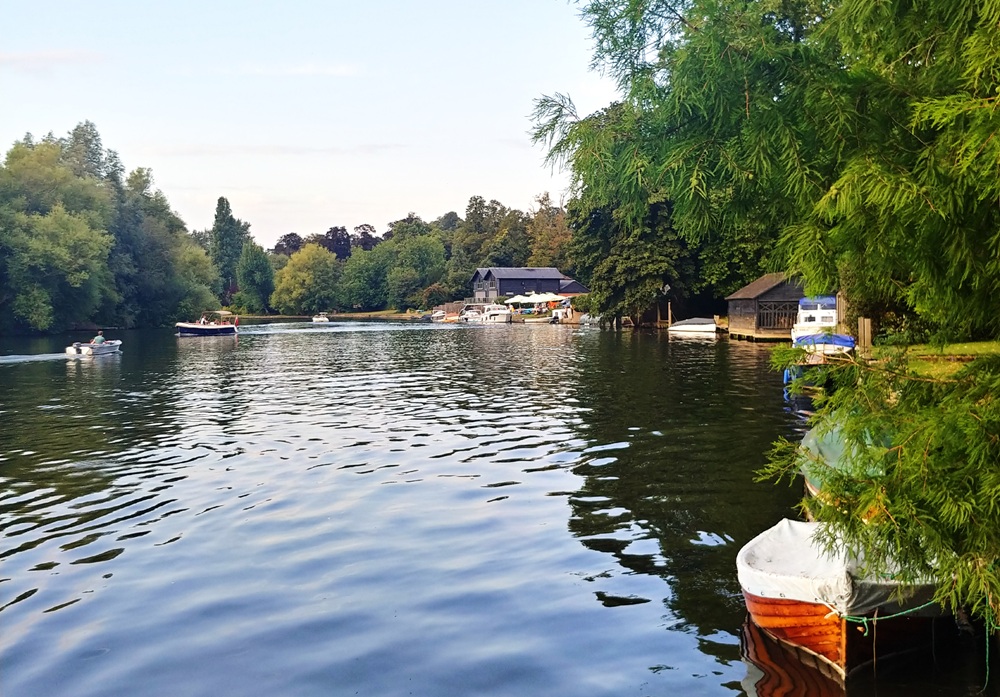
Wargrave is a largely Victorian recreational village set against the water in the heart of the most picturesque stretch of The River Thames; between Whitchurch and Henley.
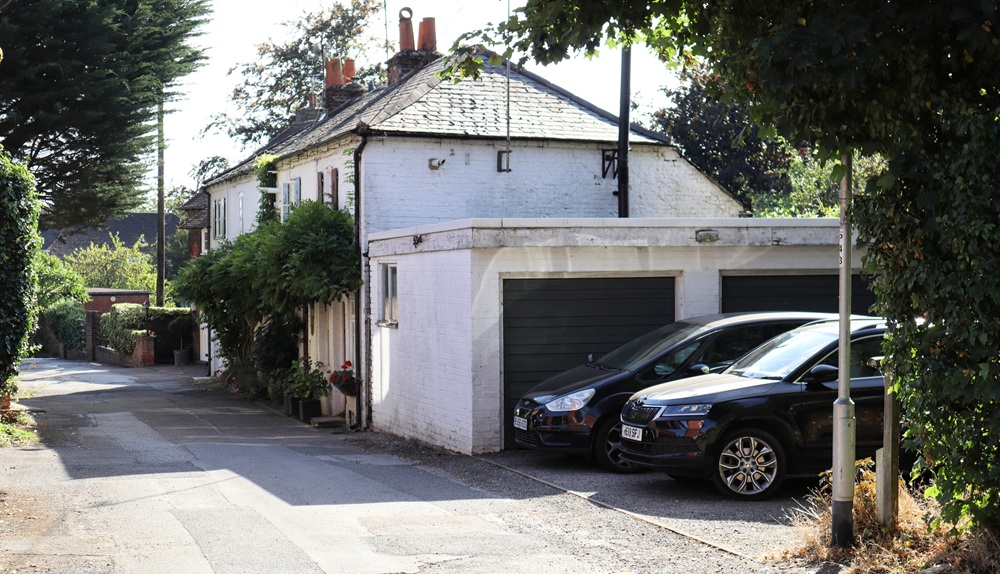
A colleague of Joe Miles, and his wife, live in a substantial and rambling Victorian house in the middle of the village. The garden of the house stretches right through to a back-lane; Backsideans.
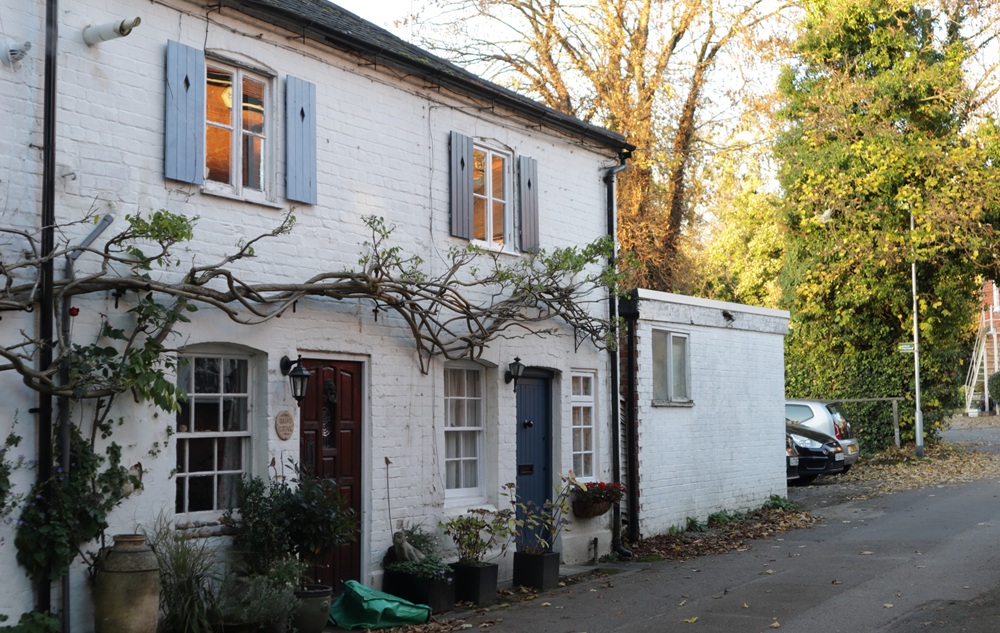
A double garage and parking area is built at the side of the lane, next to a row of small cottages.
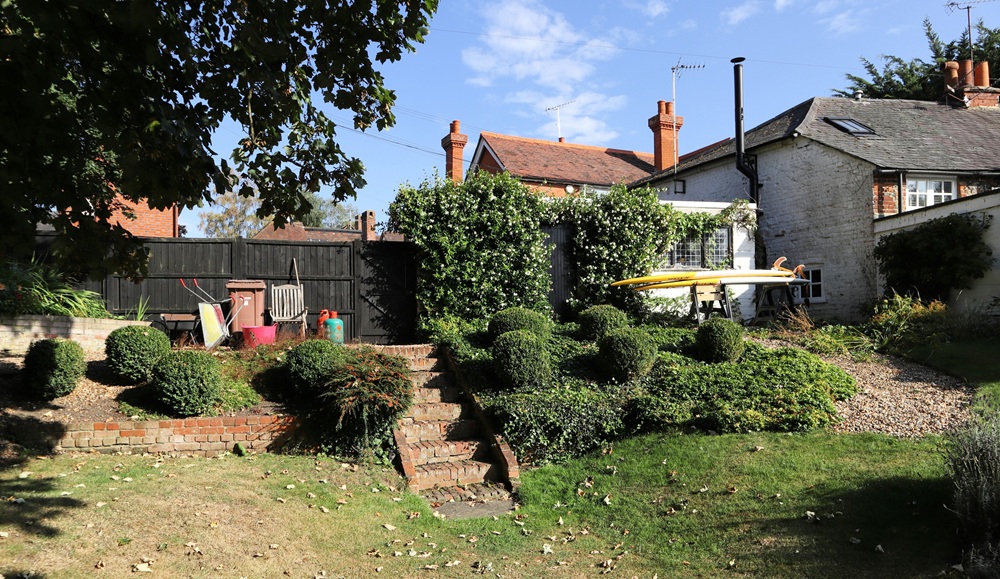
The level of the back-lane and garage is some way above the house’s garden. A few steps lead to the upper level.
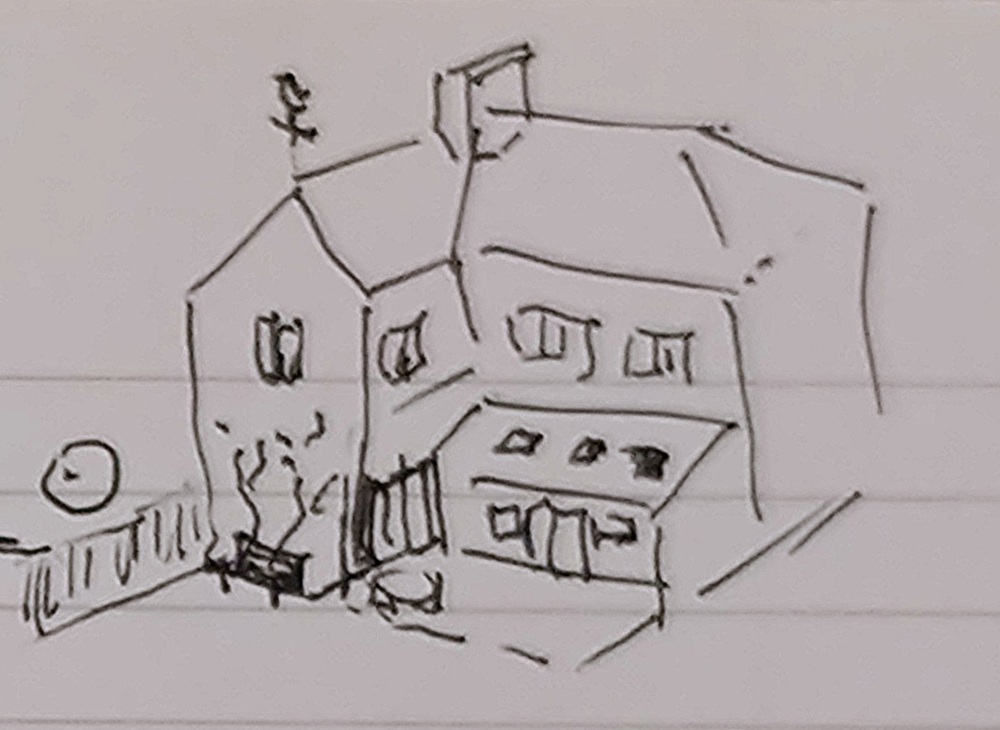
I spoke to the client over the phone before I visited the site, discussing the possibility of my engagement as designer. That evening I used Google Earth, and Streetview, studying the imagary to understand the potentials of the site. I also had the drawings of an architect who had previously proposed a bungalow, to be built in the middle of the lawn. The true opportunity, as I saw it, was to be had at the lane-side. I made a tiny sketch in a corner of my notebook, of a house to fit amongst the family of buildings on Backsideans. I texted a phone picture of the sketch to the client in the middle of the night, and secured the design commission the next day.
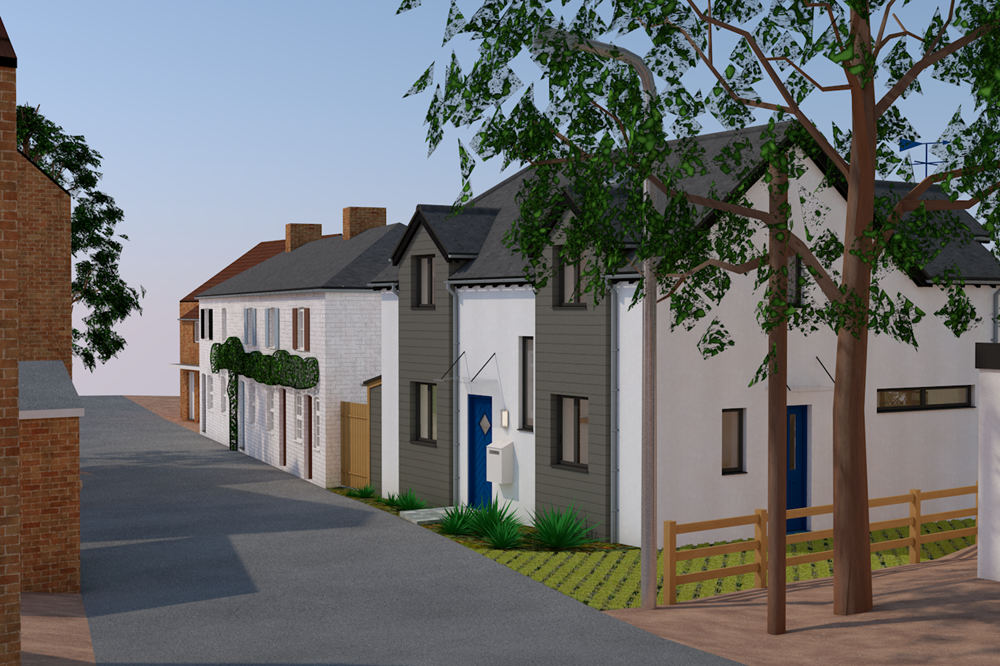
I completed my most comprehensive 3D modelling exercise to date, including all the surrounding buildings, and a complete ground profile, modelled using a full topographical survey. I made an initial house model based on my sketch, but only developed the scheme to its fullness at the client’s house, with us all sitting around my MacBook in their kitchen. Working together, we realised that we had the possibility of maximising the sloping site with a basement storey.
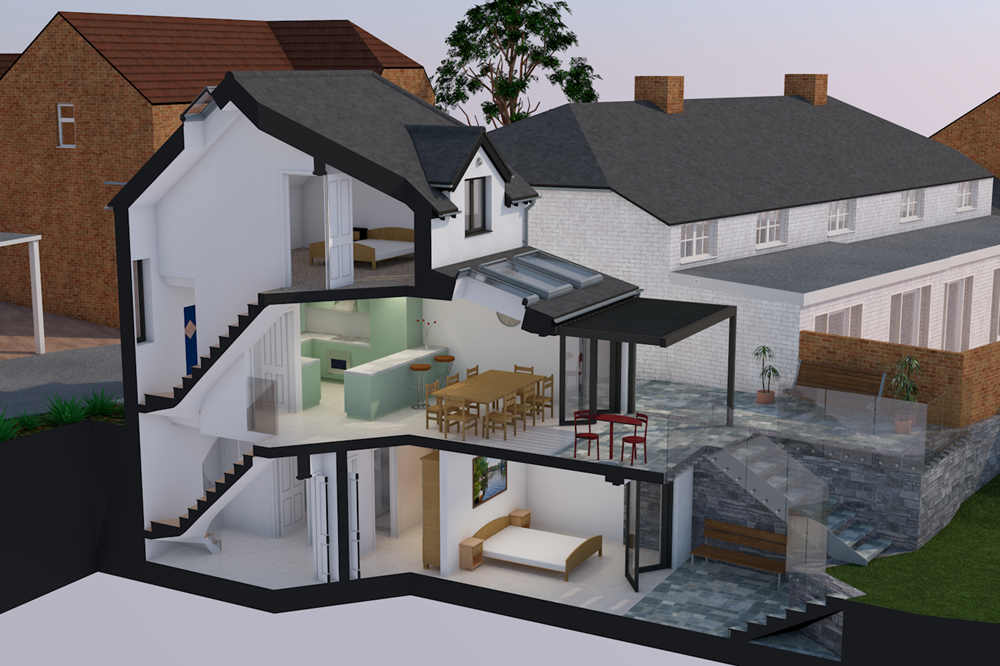
I finished the scheme on my computer, completing a lengthy Design and Access Statement, and a series of detailed 3D renders illustrating the proposal. The clients used the planning materials before the application was submitted to consult with their neighbours, and Parish Council, garnering many favourable reactions, and the general support of the local community.
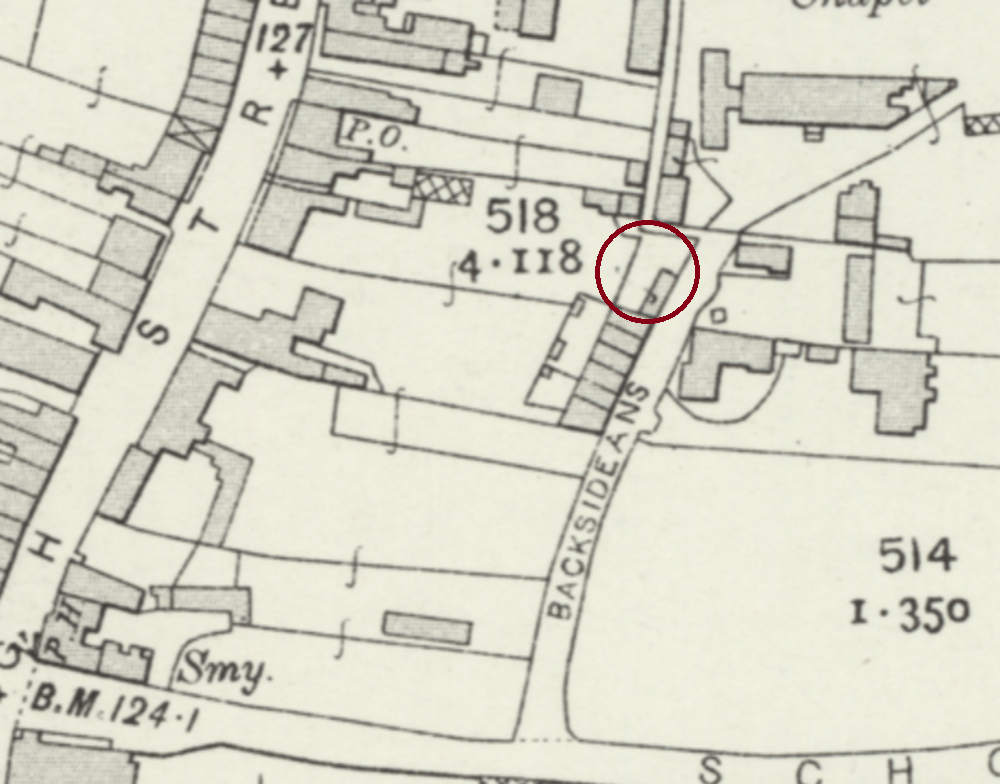
Planning policy specifically discriminates against building at the bottom of a garden, and the plot is in a conservation area. I studied historical maps, arguing that the garage was built on the site of a demolished cottage, and therefore we should be able to reinstate a cottage to the site.
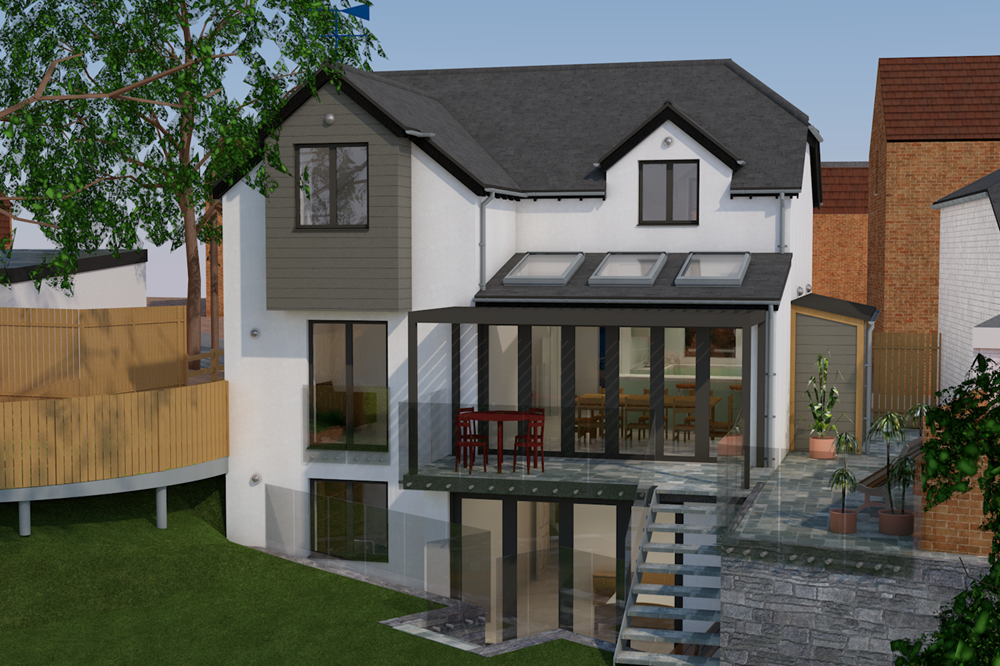
Following consultations, four of the immediate neighbours supported the application with generous comments;
“I am impressed by the design and the features of the development, which are environmentally sensitive. I hope that it will be possible to develop the site without too much disturbance to the neighbours.”
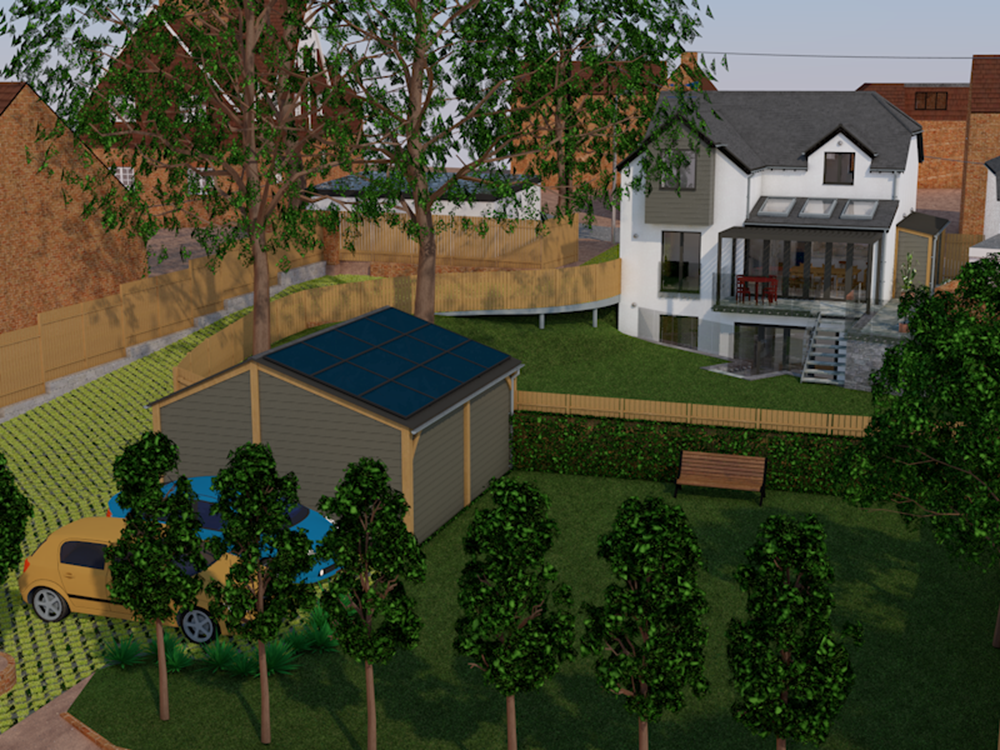
“I very much like the idea it would be an Eco-house, the design would be appropriate to the area, and that they had taken into consideration minimising the impact locally during the construction process. You only need to visit their current home to realise their good taste and I am in no doubt that would extend that to the look of the proposed house. Given that we live in a world where infilling in communities is a housing reality and that the land proposed would have little impact on the general look of the area I would again have no reason to object. We live in a conservation area and whilst that may be cited by some it is my view that when considering proposals like this one that if the look and feel is within keeping to the area then again it’s a good use of land.”
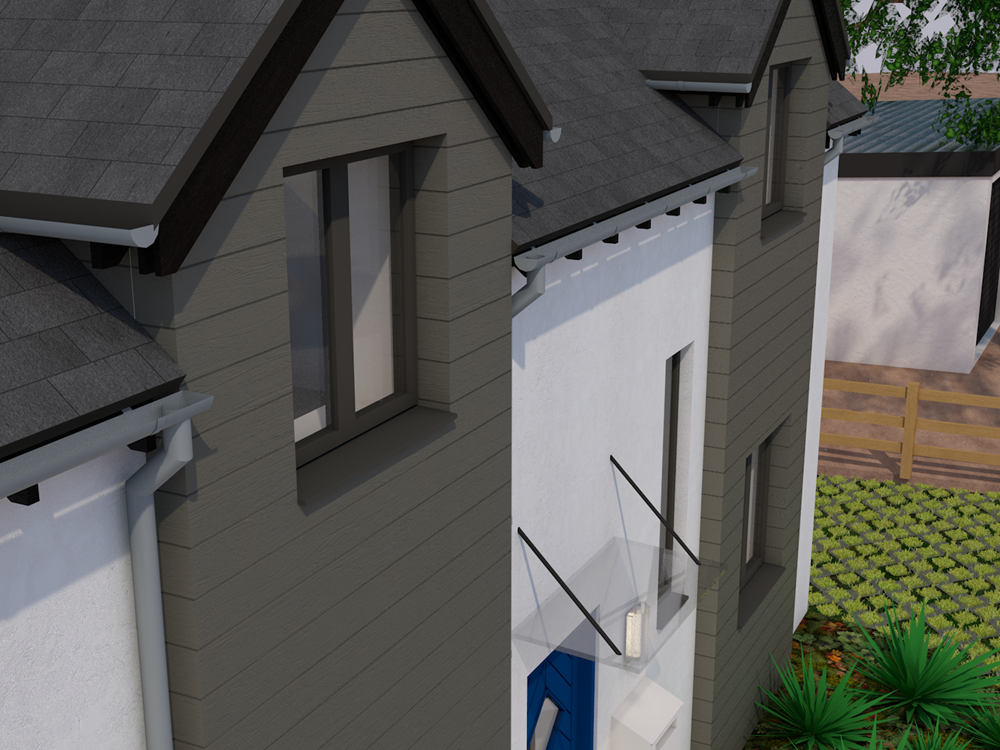
“The proposed new house would to my mind be an improvement to the very old garages that are on Backsideans currently.”
“I am encouraged by the care and detail in the amended plans to increase energy efficiency, and reduce impact on the neighbours during and after the building process. Once the building is complete I think the house will be a positive addition to Backsideans.”
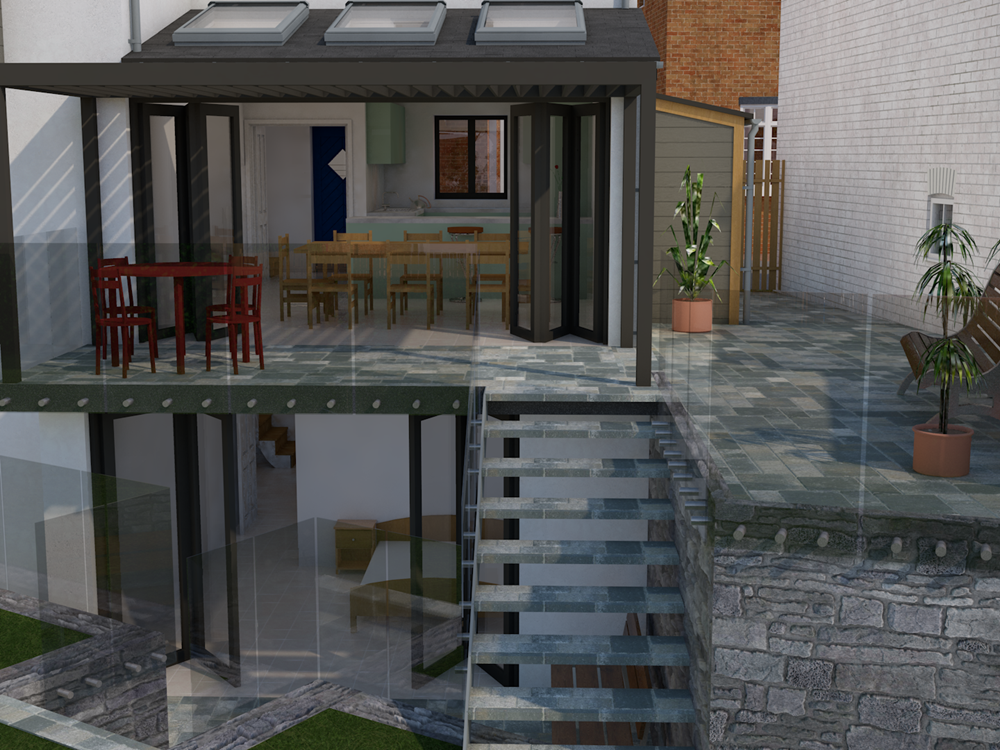
The scheme and its documentation were praised by the Parish Council and Local Authority. The scheme was granted permission at its first application. The planning officer’s report is condensed below;
“The dwelling would accord with the building line with the adjoining cottages along Backsidens, and the rhythm of properties in the lane. It would be sympathetic to the form, height and massing of the dwellings on Backsidens. It would also allow for plot sizes and widths within 63 High Street and the proposed site that are consistent with the varied pattern of development in the area. The proposal also ensures satisfactory highway impacts, internal and external living standards for future occupiers and a suitable landscape character”.
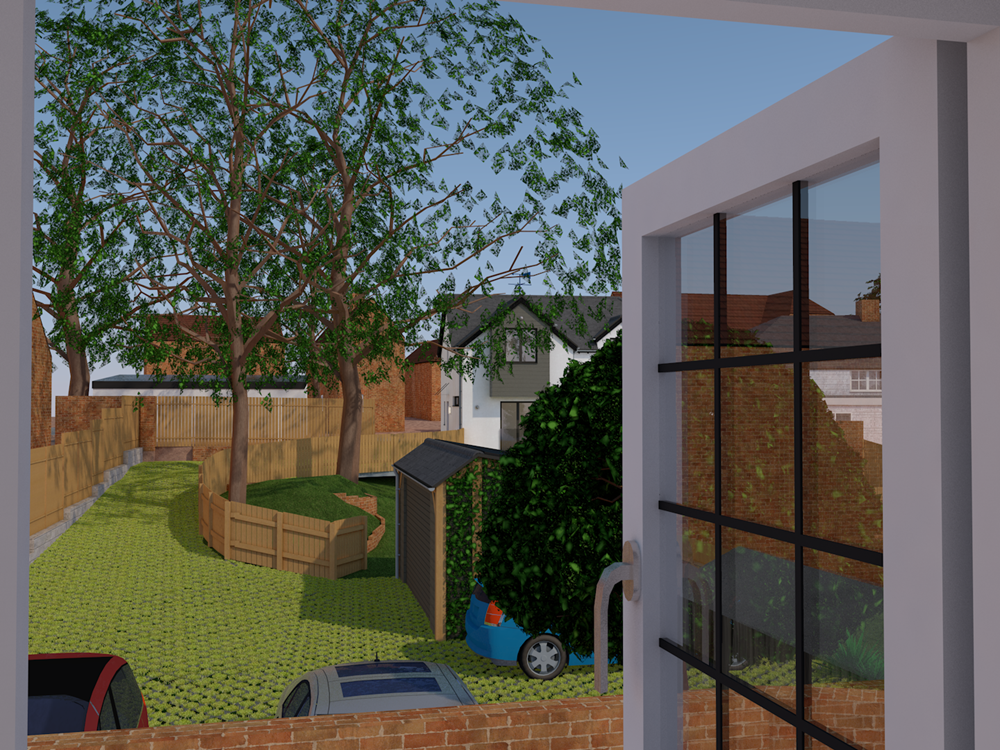
“The proposed dwelling would be sited in line with the adjoining cottages, and there is no perception of dominance within the streetscene. Whilst there is a noticeable increase in the scale and bulk of the development in comparison to the existing garage, the height, footprint, and design of the dwelling accords with the existing character of the area. Additionally, the altered land form resulting in the opening out of the basement and three storey impression of the dwelling is considered to be acceptable, as the proposed dwelling would give the impression of a two-storey dwelling when viewed from the streetscene. The siting of the proposed building and its relationship with the surrounding buildings (including the existing dwelling on site) is reasonable in the context of the existing surrounding and is acceptable. The direct local character is largely varied in size, height, and location on the plot to which the proposal would contribute positively to”.
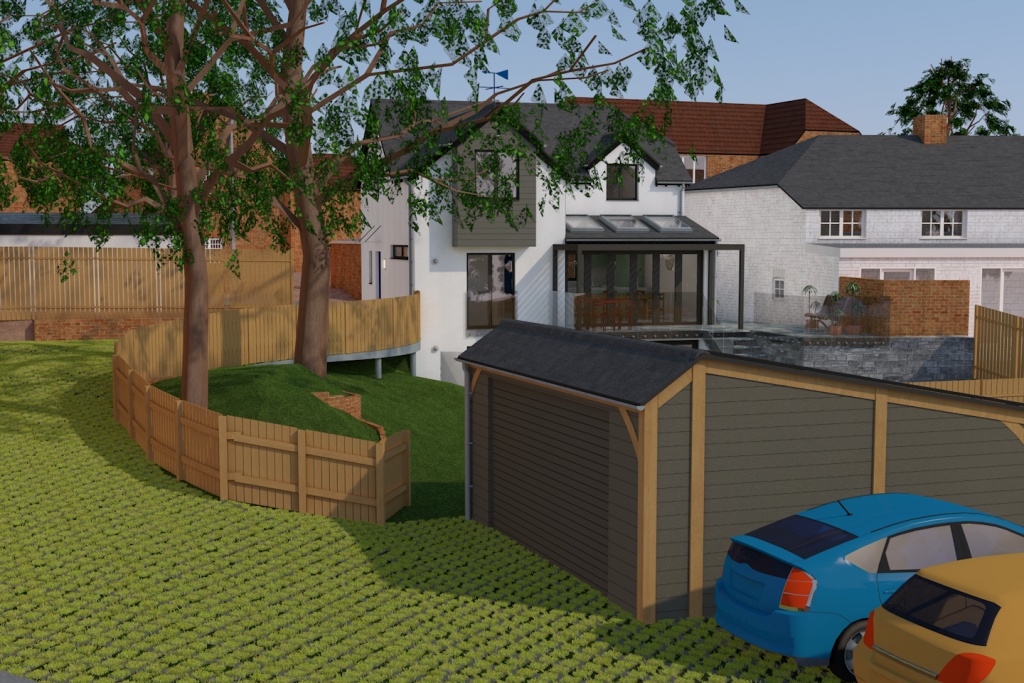
“There is no specific architectural vernacular along Backsidens, instead there is a mixed character within the streetscene with varying styles of dwellings, therefore, the proposed dwelling would not have a detrimental impact on character grounds”.
“The scale of the new parking area would be proportionate to the level of car spaces required and would blend in well with the proposed garden spaces therefore no detrimental harm to the character is likely to occur. The garage would not appear out of character with the surrounding built environment, with the oak timber material considered adequate for this type of structure, without resulting in any visual harm to the appearance of nearby dwellings and thus is acceptable. The Council’s Built Heritage Officer has reviewed the proposal and has stated the proposed dwelling is not harmful to the setting of the nearby listed buildings”.
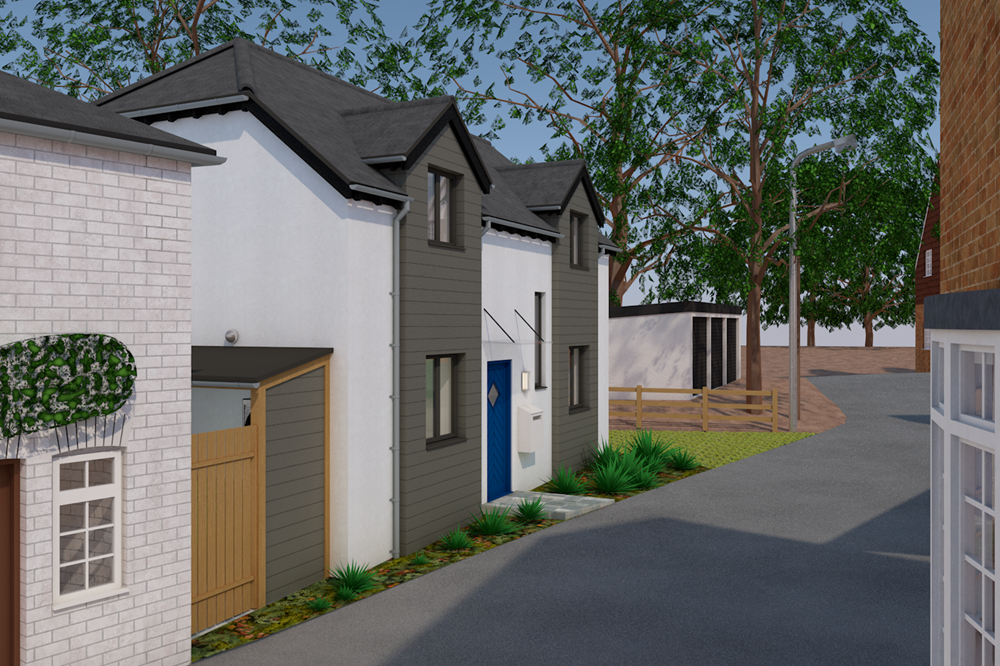
“The proposal will introduce an additional dwelling which represents limited harm upon the Wargrave Conservation Area and wider streetscene and will provide satisfactory highway outcomes (sufficient access and parking) and have limited neighbour amenity impacts. It is located in an area of existing residential properties and represents a satisfactory infill development. These factors when taking all matters into consideration, the tilted balance weighs in favour of the scheme, and approval is therefore recommended”.
This house is now being prepared for construction.