Chilton Priory, Somerset
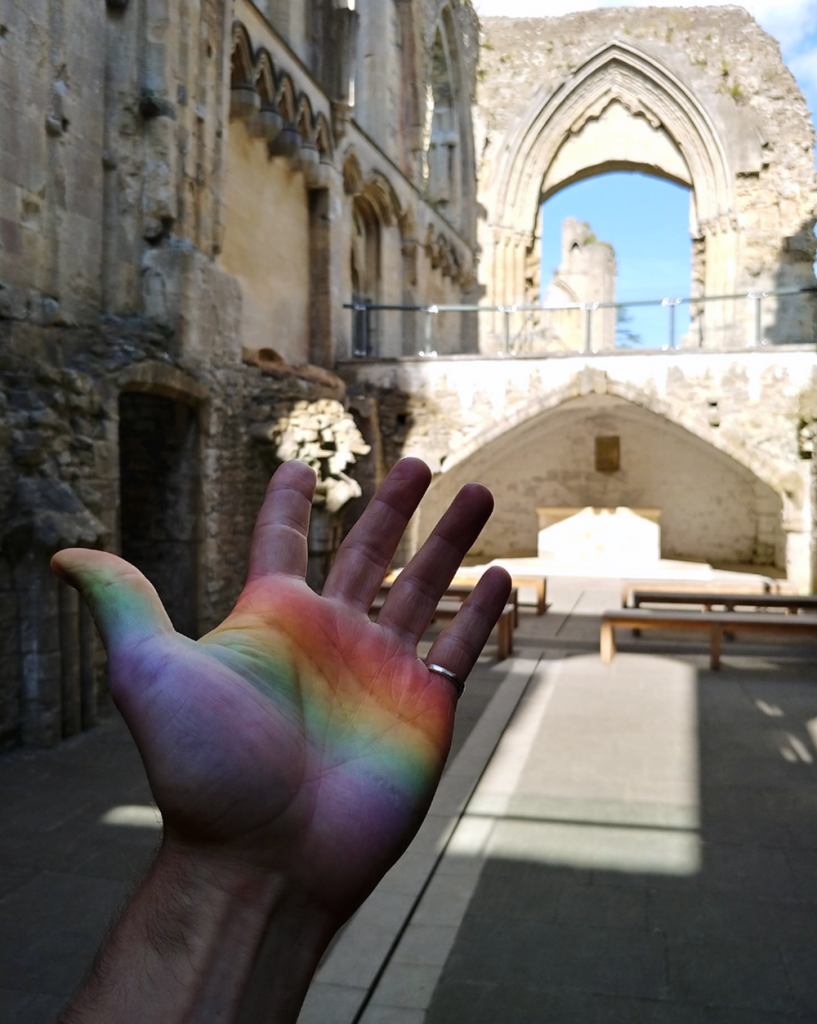
I took a break from architecture after 2021, or at least, architecture took a break from me… Jobs that I expected to be detailing for construction went quiet. I moved to Somerset, and re-explored my freedoms; to dance and play my cello, and to chat and socialise after lockdown. A conversation in a pub garnered an interesting architectural enquiry.
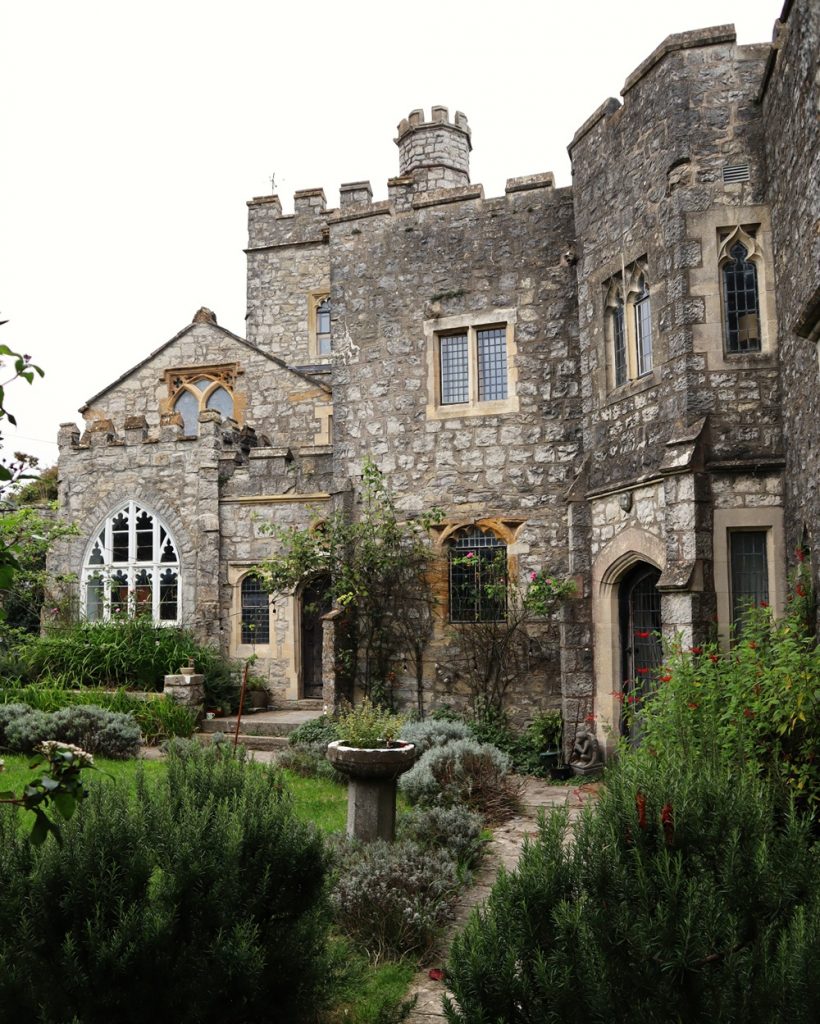
Currently known as Avalon Priory, Chilton Priory is a Grade II listed 1830 folly tower by William Halliday, built for the collector and antiquarian William Stradling. In 1910, the folly was much extended to form a large gothic-revival country house by the notable architect, author and psychical researcher, Frederick Bligh Bond, for Major Francis Kennedy. The house was later bought by the Oxo millionaire, John Maltwood, whose wife, the artist, collector and scholar Katharine Emma Maltwood, theorised of a giant zodiac of creatures formed by the hills of the Somerset levels. On a wall of the priory gardens, her 1920’s bas-relief; ‘The Grail Frieze’, quotes Sir William Dugdale’s Monasticum Anglicanum of 1655;
About sixty three years
After the incarnation
Of our Lord St Joseph
Of Arimethea
Accompanied by Eleven
Other disciples of
St Philip was despatched
By that apostle into
Britain to introduce
The Meek and Gentle
System of Christianity
They settled in the
Isle of Avalon
(All information from Historic England listing)
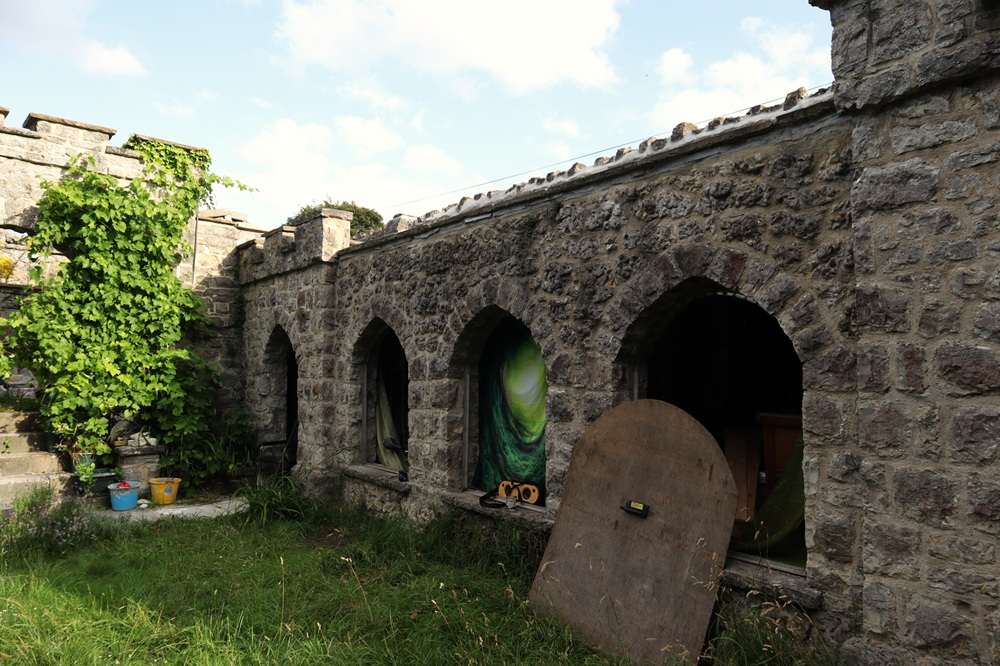
In 2015, the derelict priory was bought and restored by a Glastonbury eccentric, and a gang of craftspeople that join in the building the Glastonbury Festival. The ever-changing mind of the owner, and his laissez-faire attitude to architectural information, and regulations in general, had produced a difficult working situation with the local conservation officers.
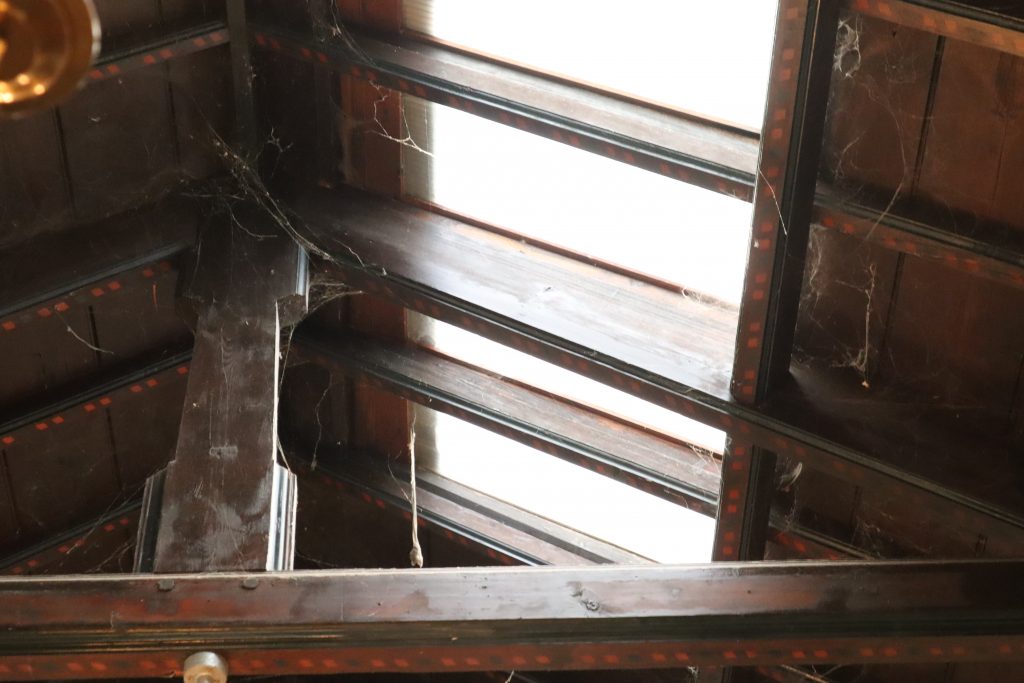
This brought me into the world of my brother Nick, who became a Historic Buildings Consultant later in life. It is fun to exchange Niall McLaughlin stories, and he has also worked with Foster and Partners and The Ellison Foundation to restore the historic Lamb and Flag Inn in Oxford, famed for it’s associations with C.S.Lewis, and J.R.R. Tolkien. The historic building space is very highly regulated, which is hard on clients when a single conservation officer can enforce their interpretation of the rules with the threat of prosecution. I found it testing to fulfil the architectural role for this reason, and do not envy my brother’s career!
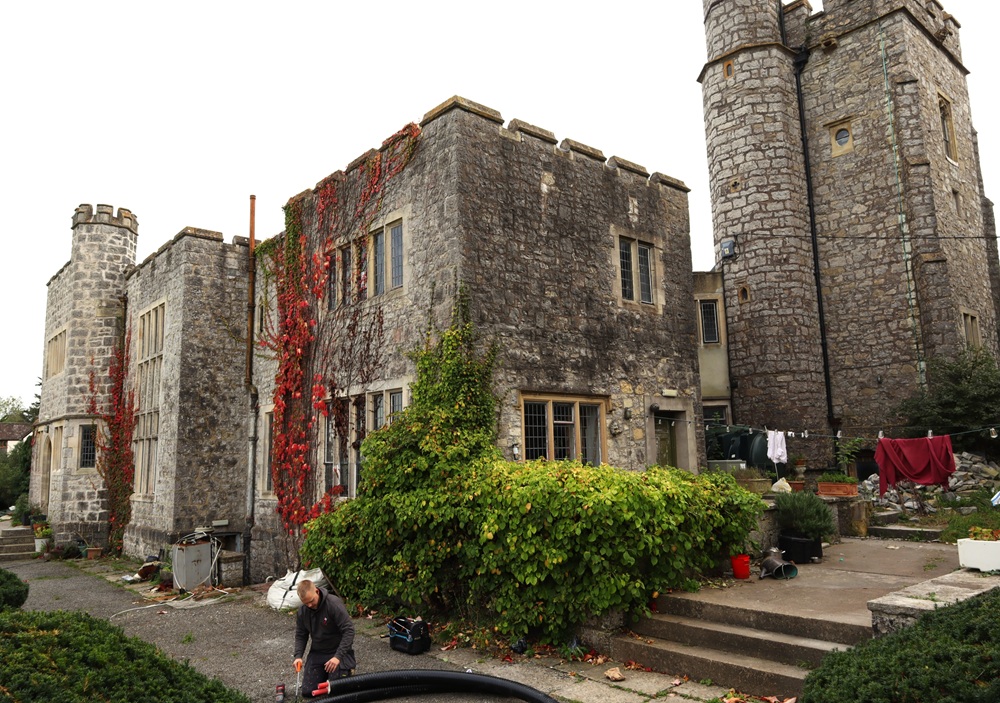
Now a multi-bedroom House in Multiple Occupation (HMO), the priory is often being repaired, renovated, and extended, and more areas of the building are being brought into use. I was asked to produce drawings for a kitchen conversion, a new chapel roof, a cloister enclosure, and to make buildable the designs of others for an extension to the side of the main house.
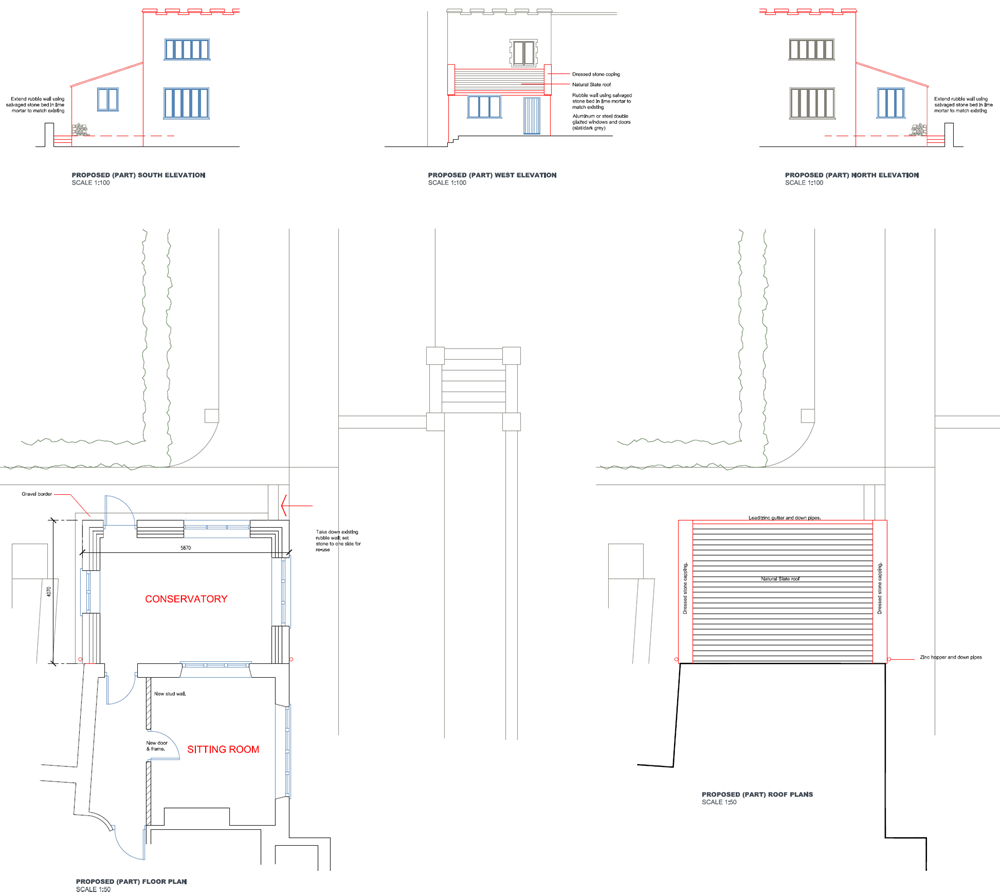
The existing drawings did not agree with themselves, as is very often the case when working with the design work of others; the windows were not the same size, or in the same place, between floorplans and elevations. In this extra-special example, rainwater downpipes are shown at the top of the roofslope, and on the other side of a parapet wall from the roof surface.
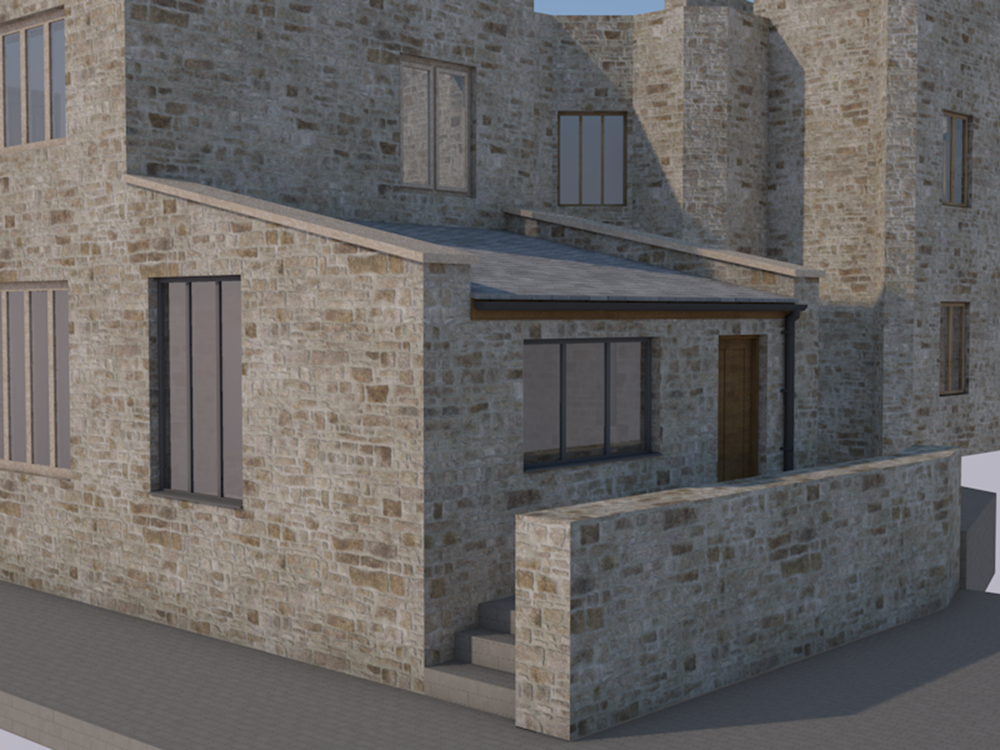
Modelling in 3D, I was able to produce properly coordinated drawings, and attend to the sense of how to construct the building as I worked. My re-design was used to revise the planning permission, and a series of detailed drawings showing connection details with the existing listed building satisfied the conservation officers.