The Construction Management undergraduate programme at Oxford Brookes University has an industrial ‘sandwich’ experience year. While others were polishing their shoes and gunning for top city jobs, I became aware that as a thirty something I was not really in the same game as the younger undergraduates. I had my dog to think about too, and sought a local firm for my placement year.
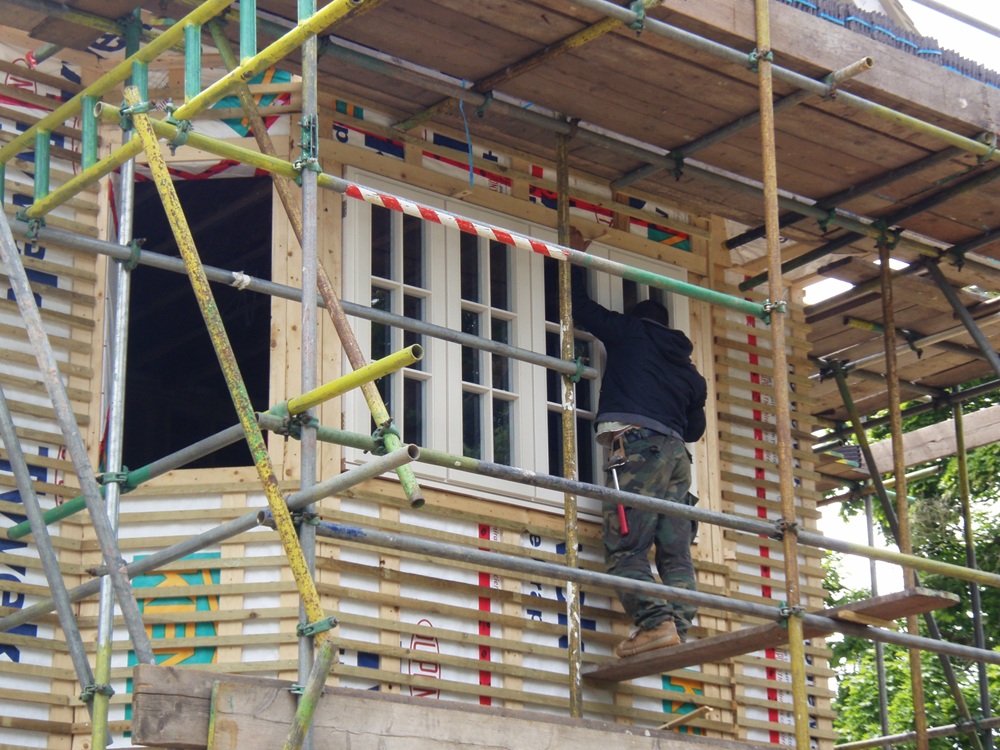
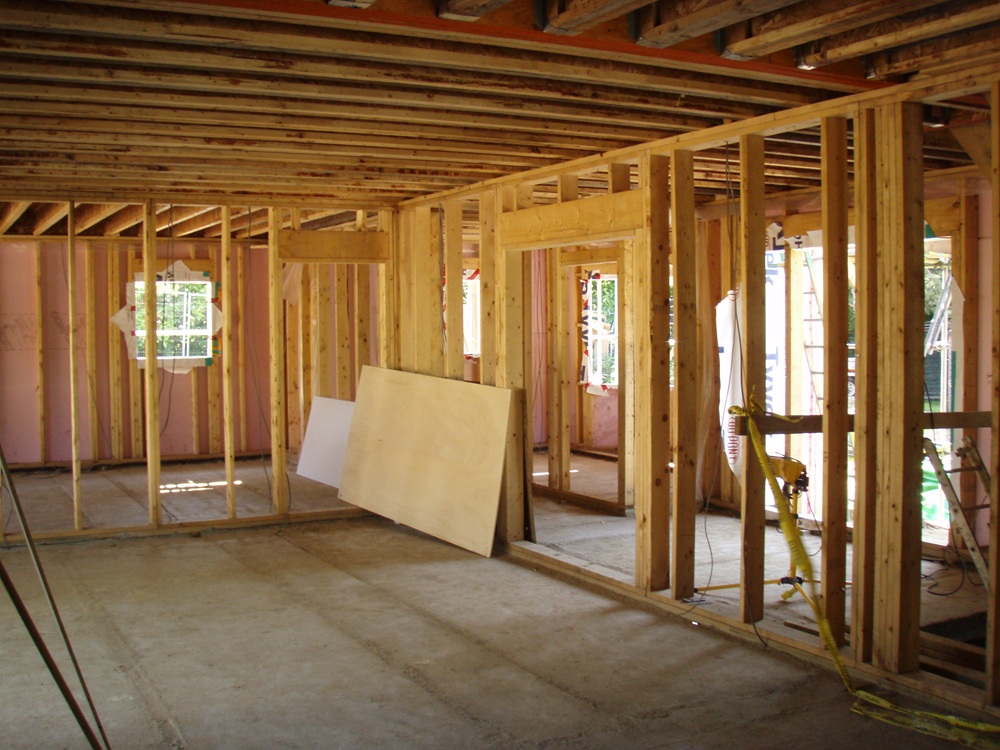
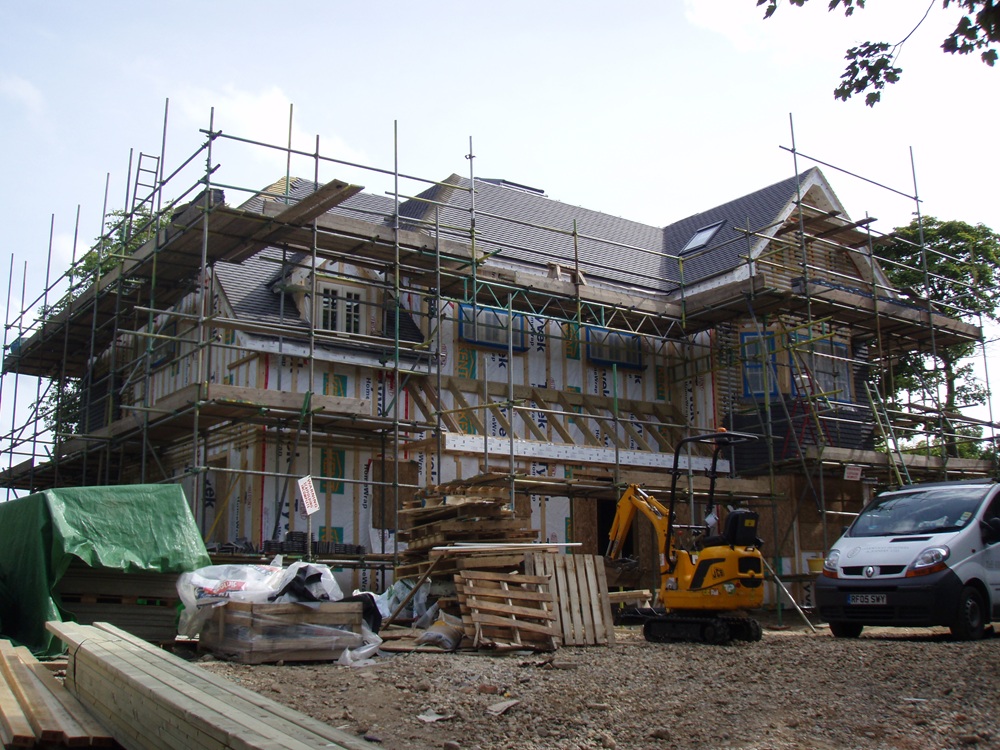
The boss of the family-run firm that employed me had promised a large house with basement to his brother-in-law. The house was to be prefabricated in Canada; the latest thing, and be hung with every bell and whistle of the environmental movement.
Outline plans were already drawn and had planning consent, and the date for construction was set.
The project was in the hands of a junior member of staff who had recently joined the firm. I was assigned to ‘help him’. I discovered that he hadn’t organised the slightest element of the project, aside from recording mileage expenses for site visits.
Every detail drawing in arrangement with Canada, international shipping and local logistics, setting out, planning amendments, building regulations compliance, basement design liaison, engineering solutions, on-site oversight, client expectation management, reporting, warranty, finishes, everything including setting up a pump to drain the excavations, all in the hands of a student.
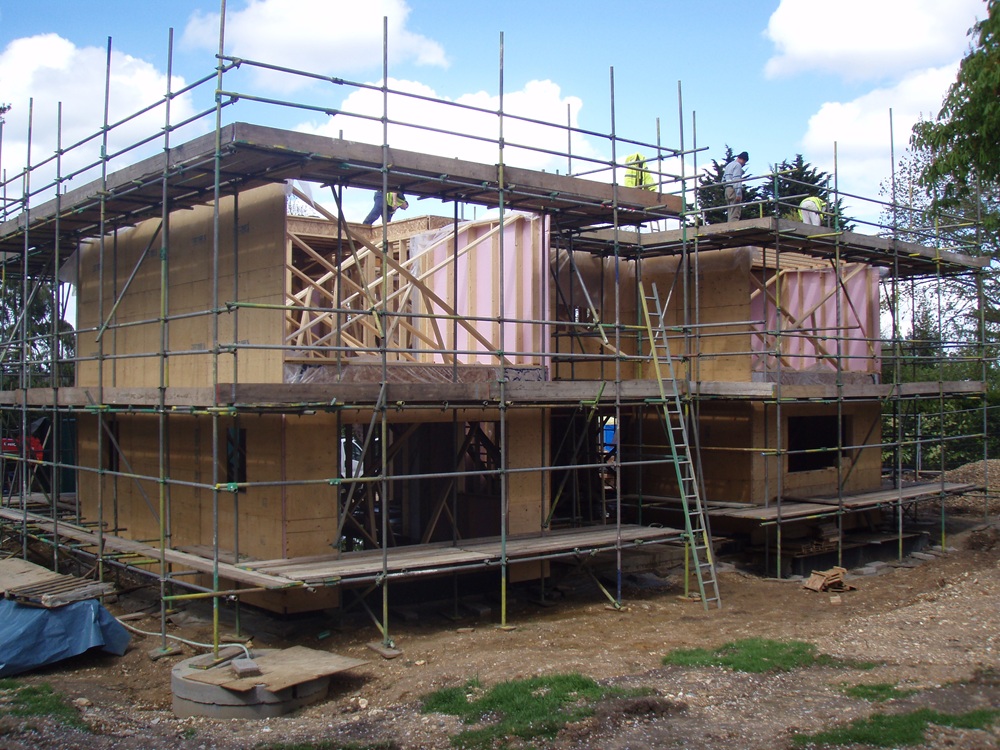
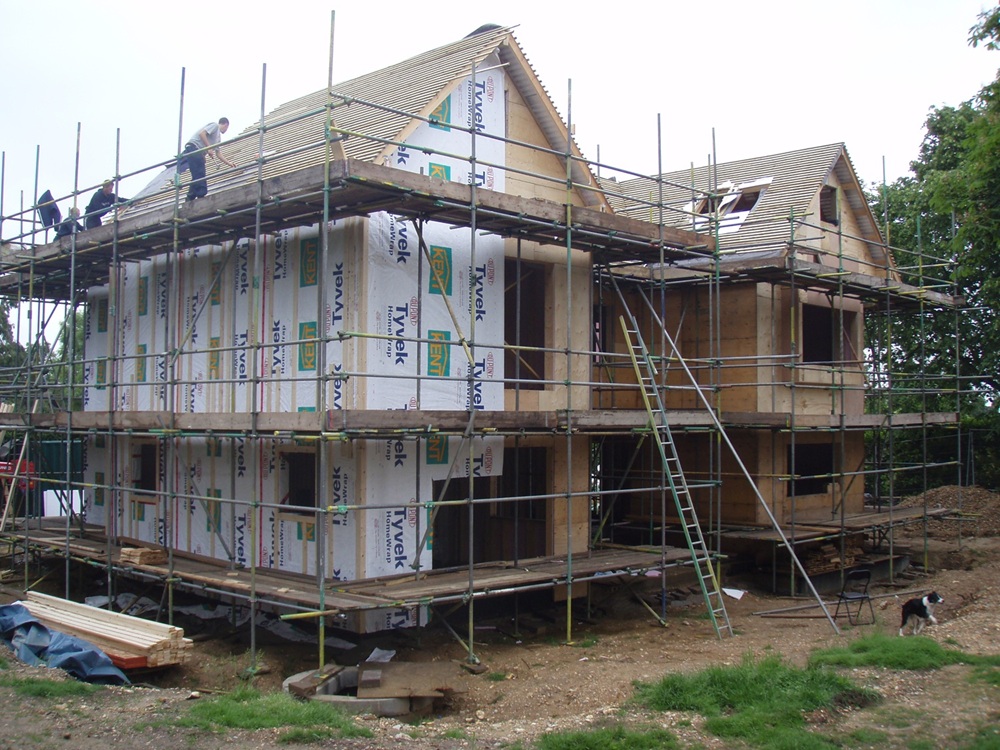
The house was constructed using the Canadian ‘Super E’ prefabricated insulated panel system, in this case manufactured by Kent Building Supplies on Prince Edward Island. The Canadian Government were promoting the system at the time, and I was invited enjoy an afternoon reception at The Canadian High Commission in Mayfair, London. The reception was followed by a formal dinner at The Millennium Mayfair Hotel, across from the Old American Embassy in Grosvenor Square. I still have the pin-badge gifted by a member of the Canadian delegation.
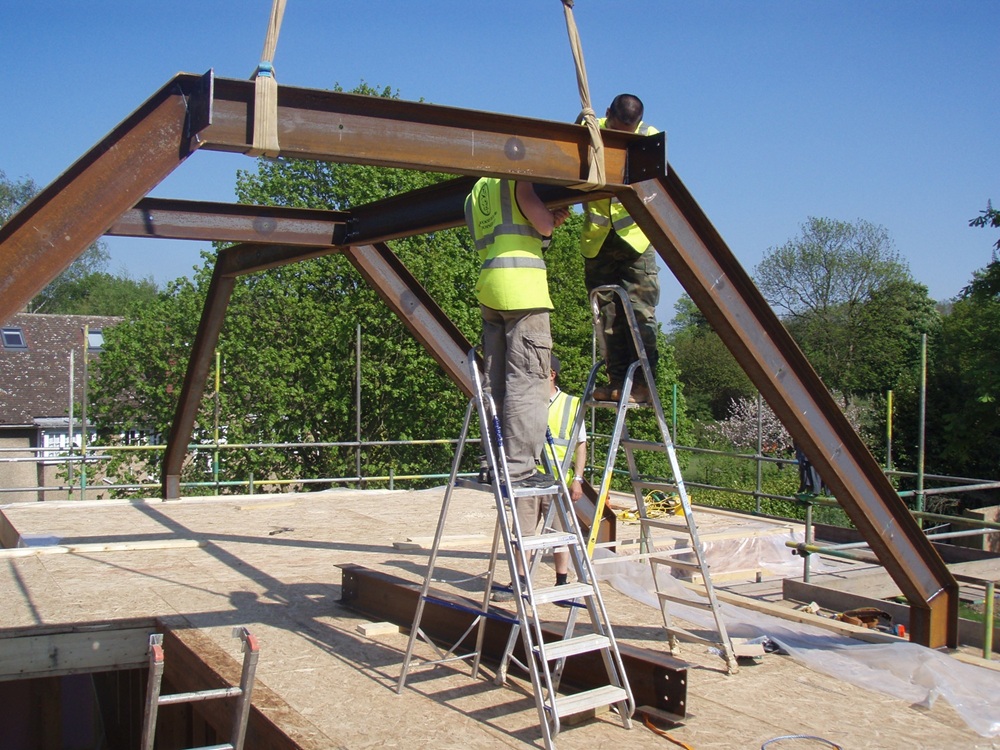
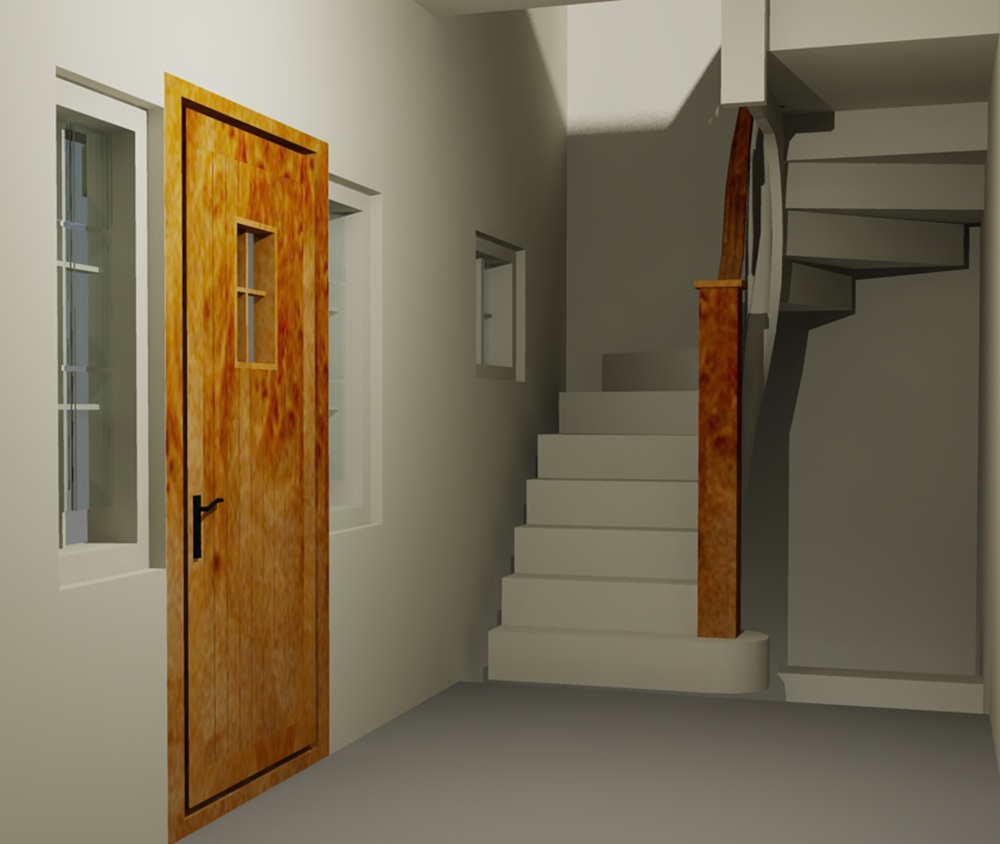
I used my new skills in 3D AutoCAD to model the whole house. It was particularly useful for designing the stairs with the client, and designing a structural solution to achieve a pillarless porch.
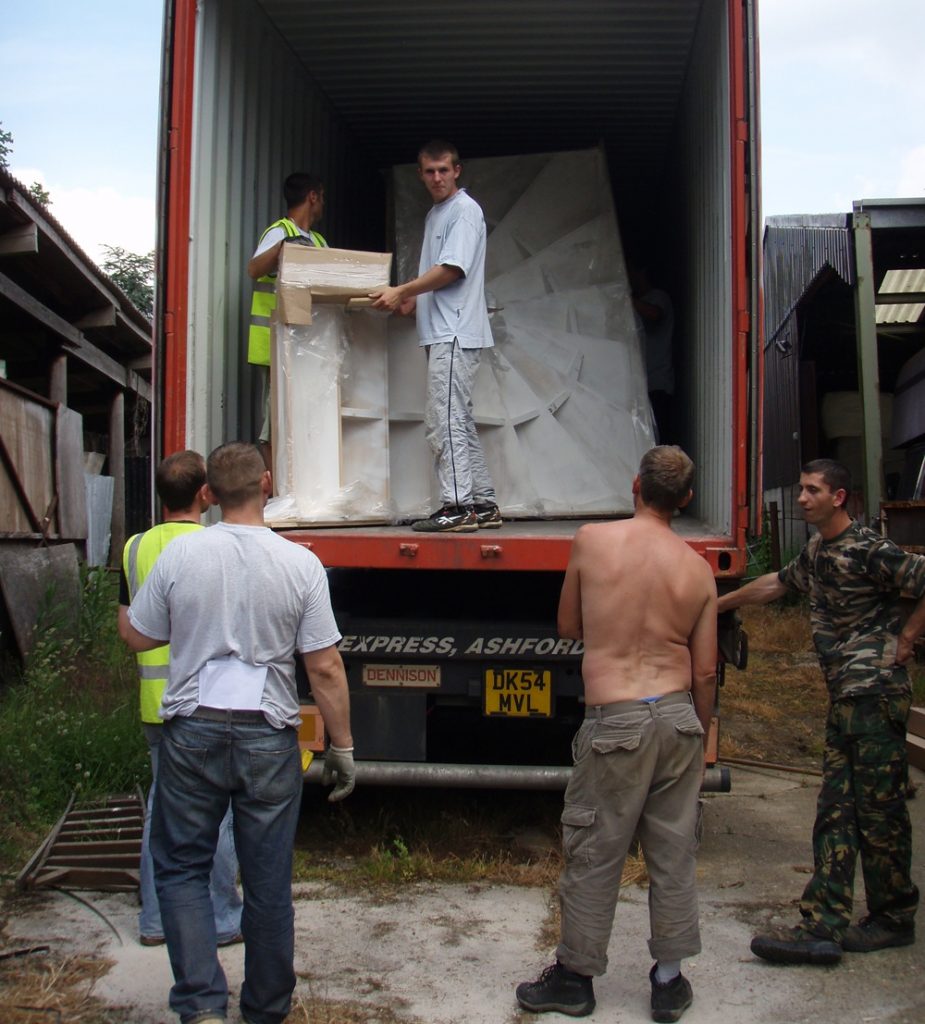
The prefabricated panels arrived in containers to a nearby farm, where I had identified a barn and arranged for its temporary use.
The stairs I designed with the client were already made, the steelwork I designed with the engineer was craned aloft, the house took shape.
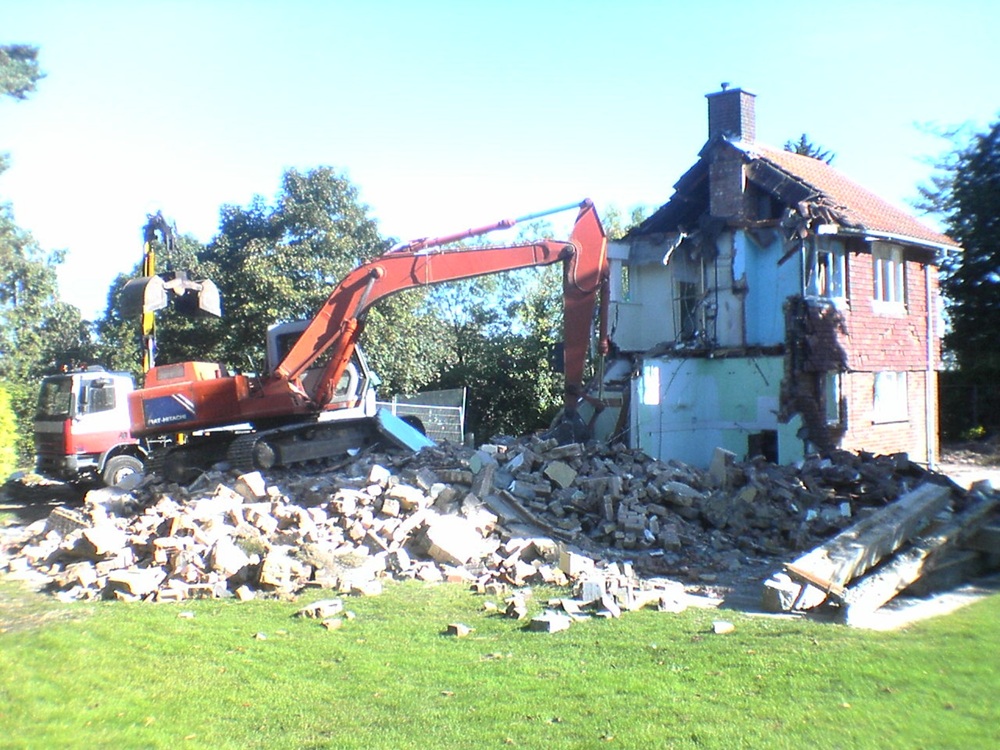
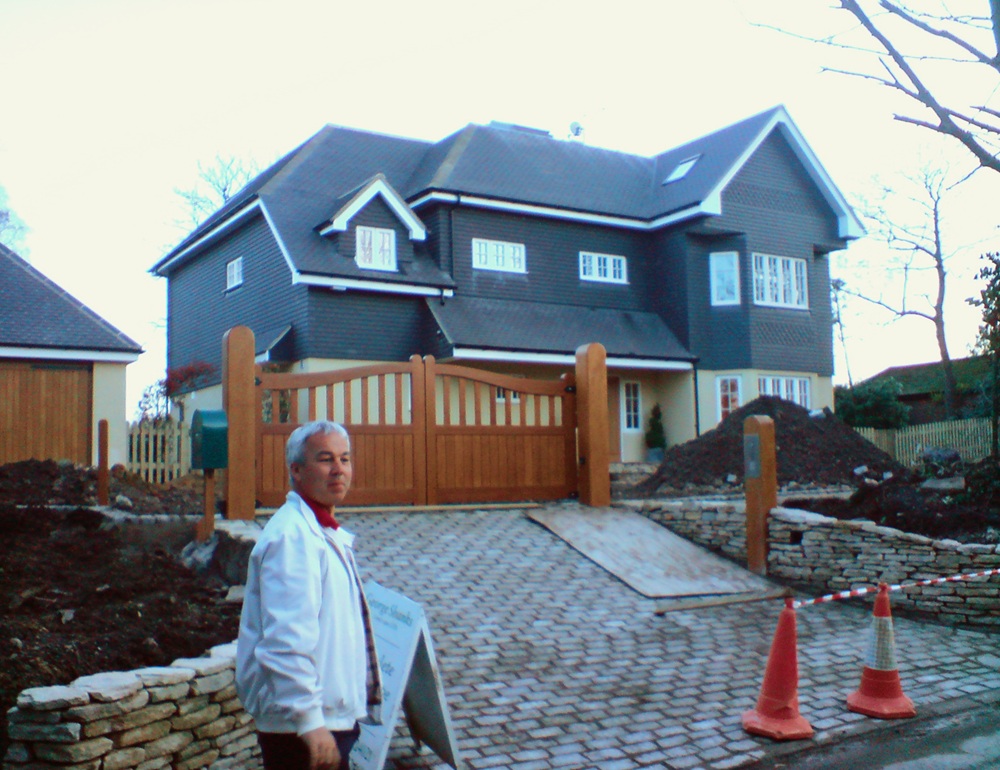
I followed the project through until structural completion. In place of the old, stood a brand new house, with 6 bedrooms, and as many bathrooms, although not of my design.
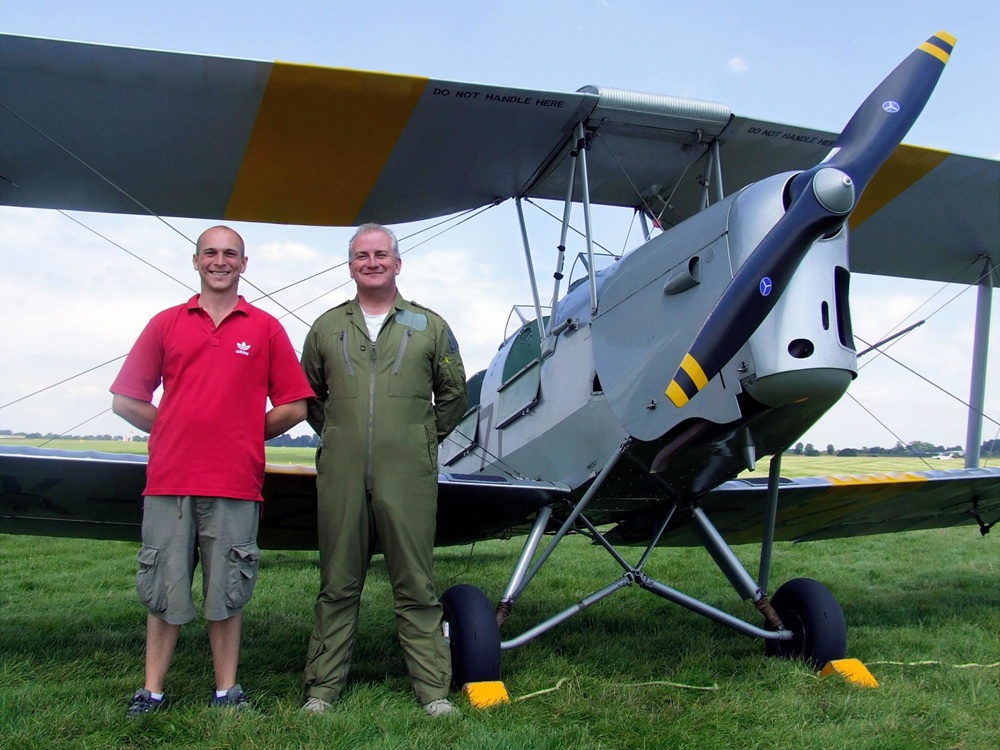
Once the house was largely built, I devoted most of my time to a new love of flying. Due to a mix up at Oxford Airport, I was invited to work as groundcrew with voucher experience company, Delta Aviation. I met aerobatic instructor and commercial training captain Chris Snakeman Thompson, who I supported to establish Finest Hour Experiences at Bicester Heritage Airfield. Chris now operates Finest Hour from Yarmouth Heli-port.