The Wright Stuff
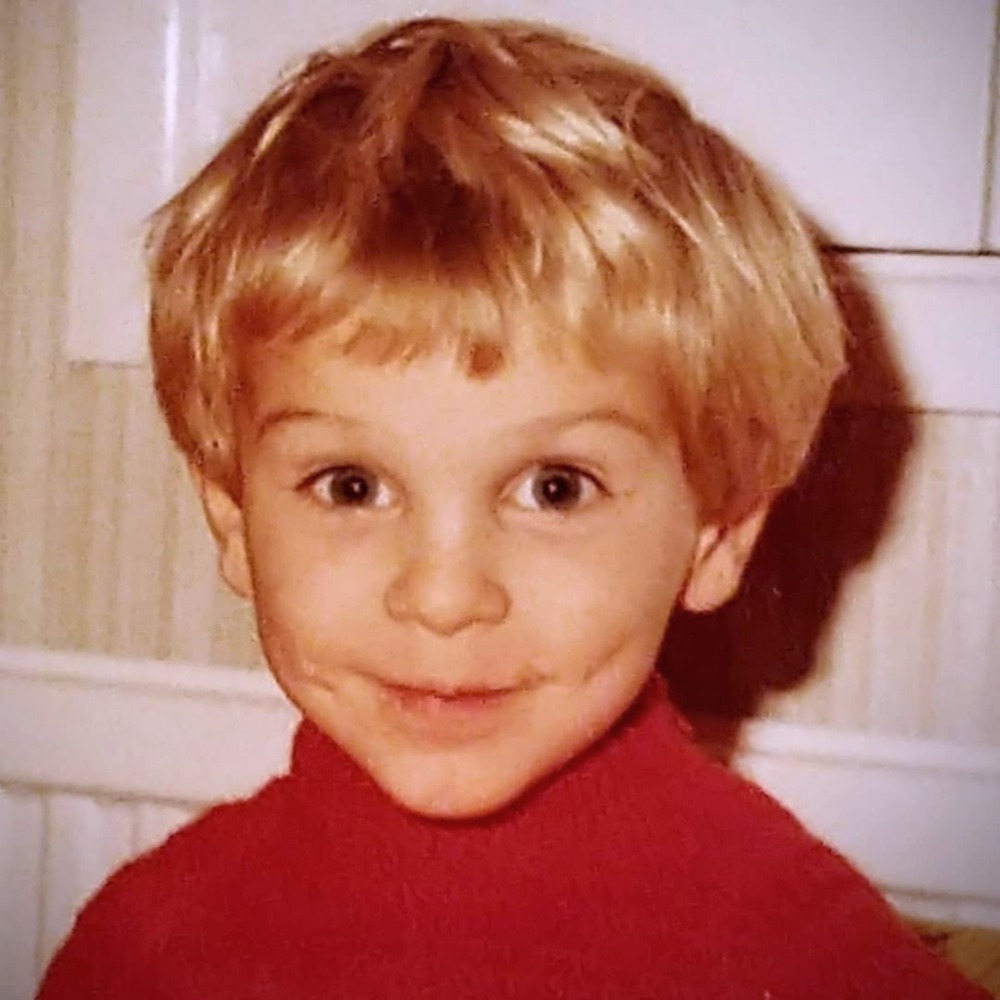
When I was a kid growing up in the shadow of the MG Cars Factory in Abingdon-on-Thames, my dad would read to me, say prayers, and tell me of the great men of the family, before I slept in our tiny terraced house.
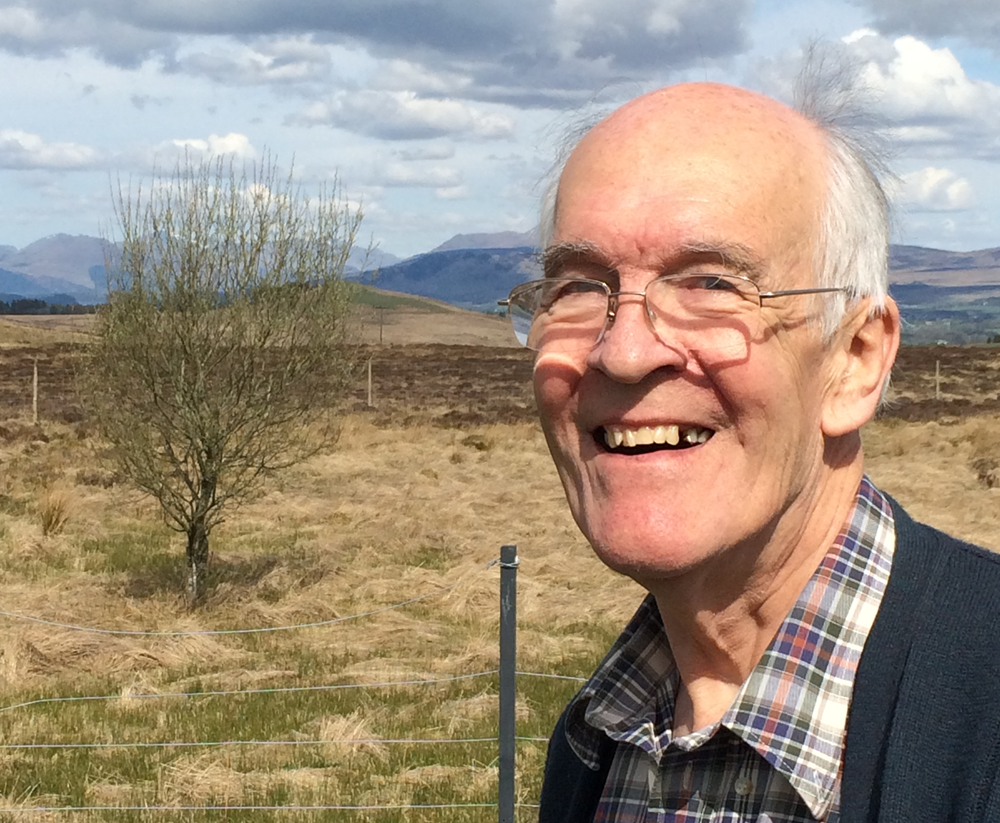
He would tell me of his life in Glasgow, before the family moved South; of hearing the bombs falling on Clydeside, and the family’s progression further and further from the flats of Hillhead in Glasgow; through the self-built suburbs of Bearsden and Milngavie, to Drymen, nearly on the shores of Loch Lomond, to where his school had been evacuated. His father, Maxwell, was rising though the company to become Assistant Works Manager, designing process areas and some buildings, for the Bryant and May match company in The Empire Works on Maryhill Road in Glasgow.
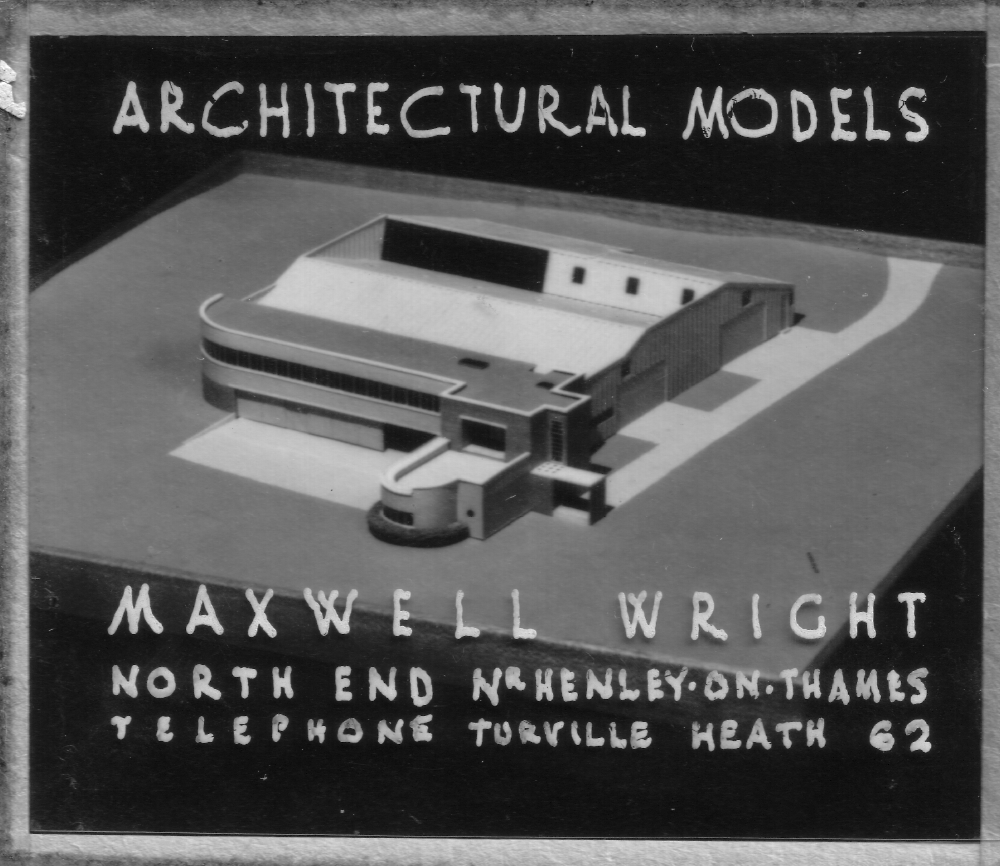
When Maxwell retired from the factory, he took the family South to Henley-on-Thames. He was another to pull on the thread of architectural interest that runs through the Wright family; he started a business making architectural models.
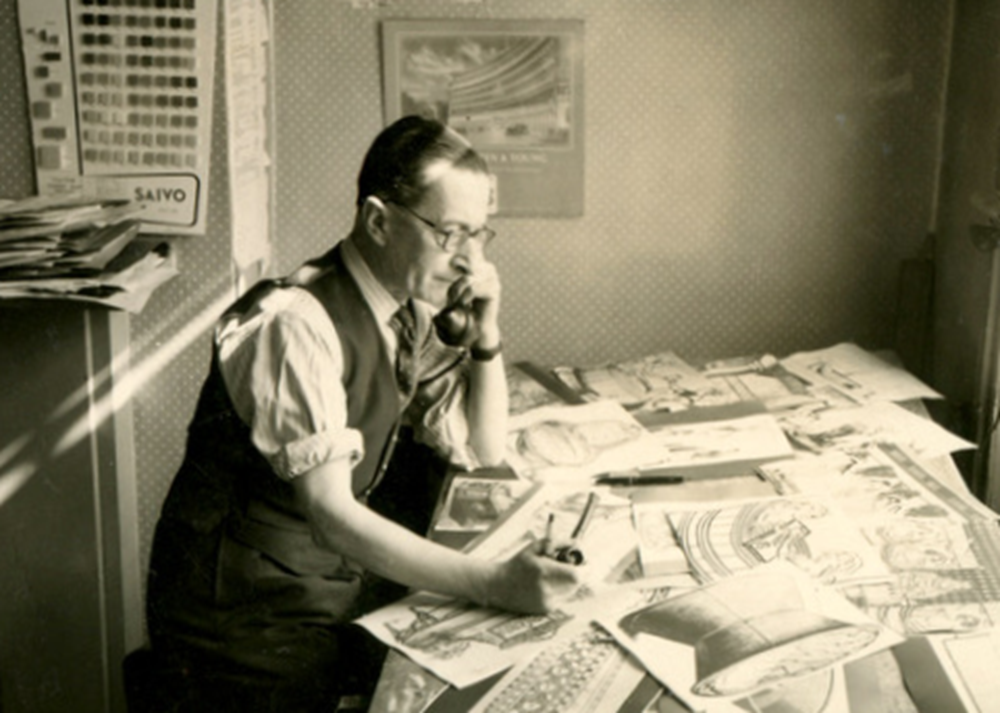
Maxwell’s childhood friend, and later brother-in-law; perspectivist, filmmaker, and author Lawrence Wright ARIBA, was my Great Uncle. Lawrence studied Architecture at Liverpool University, but rather than pursuing a career in building design, he became one of the foremost perspectivists of the 20th Century.
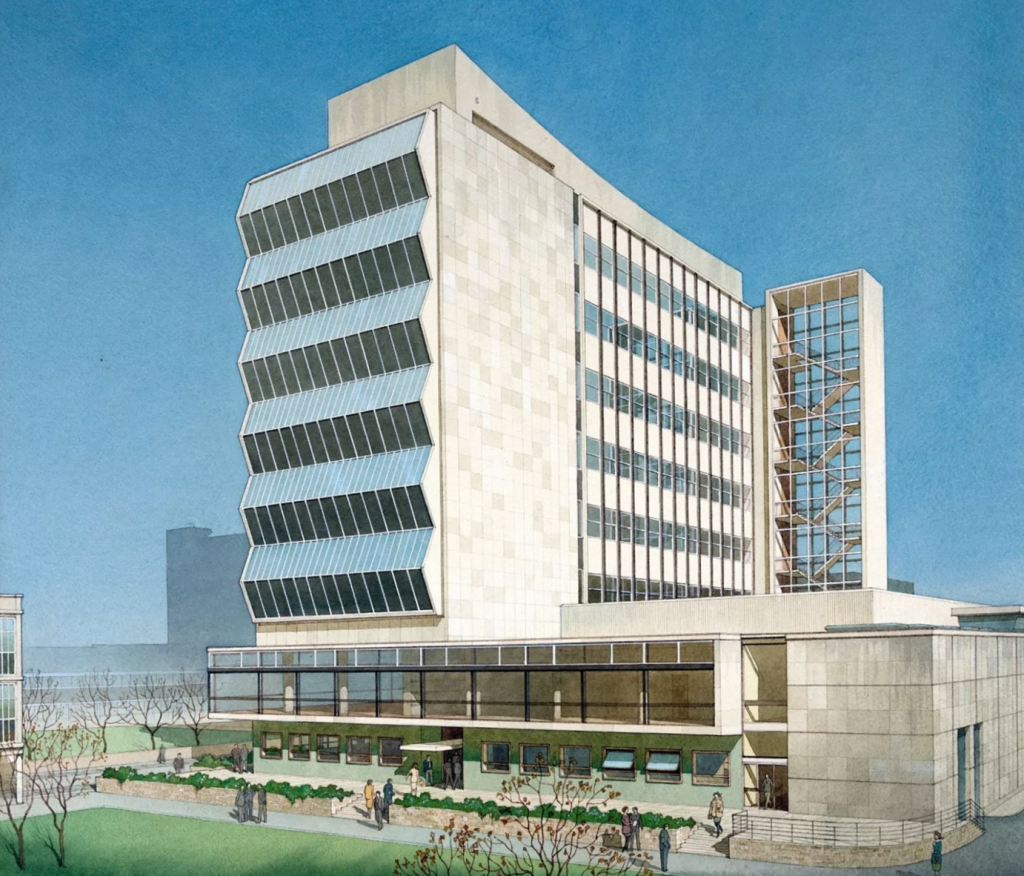
Lawrence drew intricate hand-drawn 3D renderings to promote new modernist buildings, such as Coventry Cathedral for Basil Spence, and shown here, the Renold Building for Manchester University, where Lawrence’s grandson, political commentator Michael Crick, is now a governor. Lawrence’s work was celebrated outside the architectural community; his work was often exhibited at The Royal Academy.
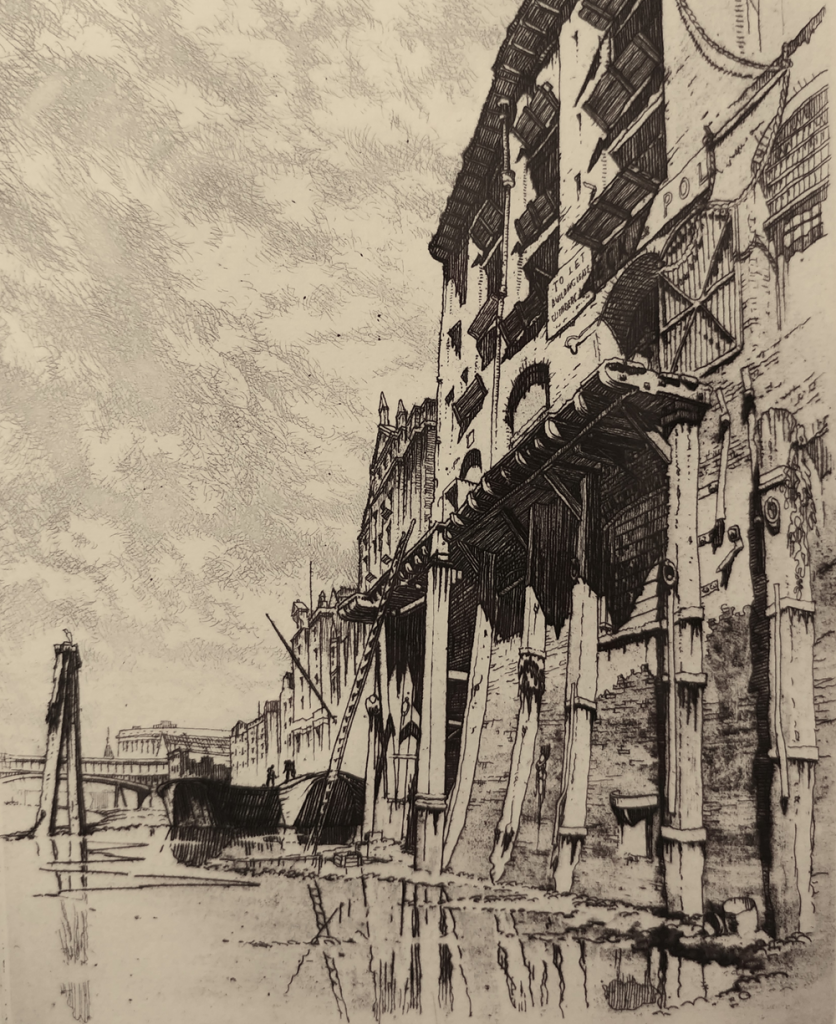
His private work, which is illustrated here, focussed on the cityscapes that were being buried beneath the modernist buildings he was working to promote. This view of Trig Wharf in London would now show the city end of The Millennium Bridge, another of his etchings shows the deconstruction of London Bridge. He produced a complete Panorama of the City of London After the Blitz for the Royal Topographical Society; this work was published in the London Illustrated News, and is held at The Museum of London.
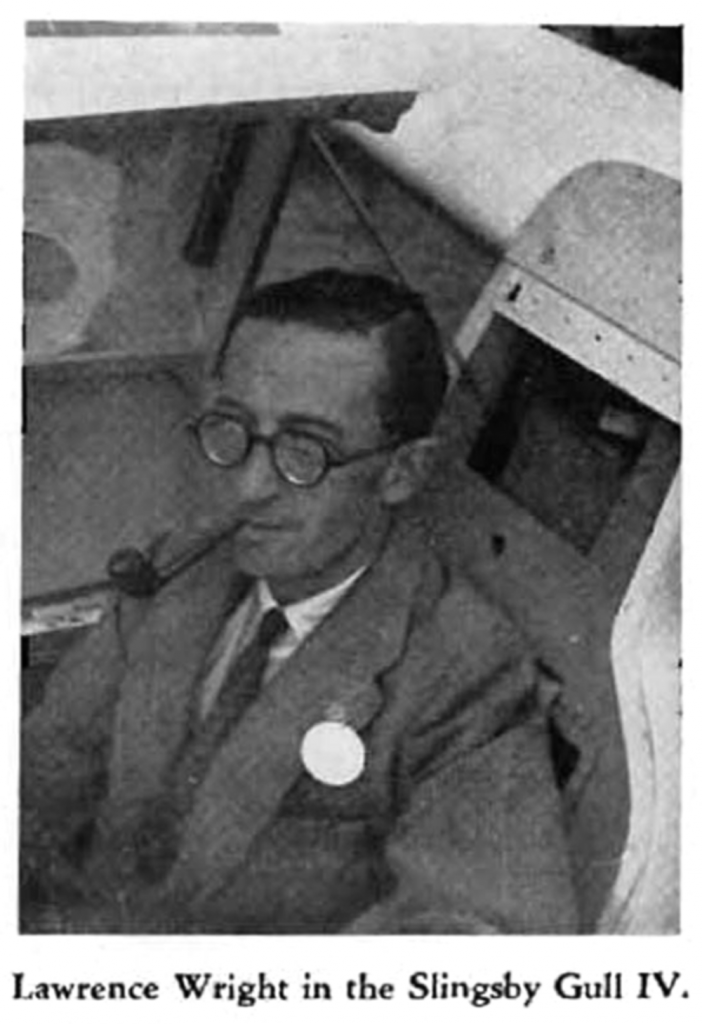
As a private glider pilot and filmmaker, at the advent of war Lawrence worked with The Air Ministry, inventing an early version of virtual reality; The glider invasion of Arnhem, to retake Pegasus Bridge, was to be flown by troops, rather than trained pilots. At Lawrence’s suggestion, a very large model of Arnhem was constructed. He used a cine camera suspended on wires to simulate the view from a landing glider. The film was used to train the pilots, navigating by the landmarks shown in the model. With one glider piloted by a vicar, not one aircraft was lost in the invasion from pilot error. Lawrence also wrote a series of curious histories; of beds, bathrooms, stoves, and clockwork, some of which are still in print to this day.
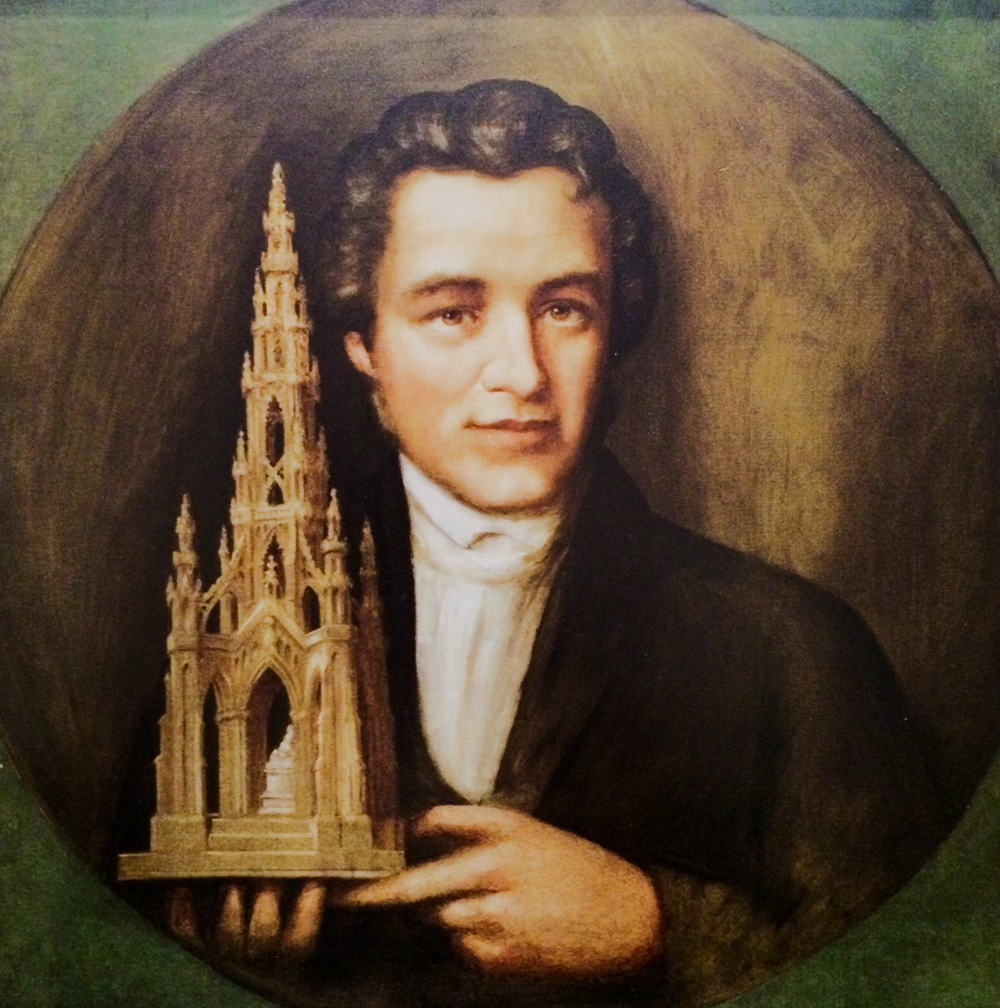
Looking further back in the the family tree, George Meikel Kemp, my GGGGreat Uncle, was an Edinburgh Master Builder. The 1832 competition for a National Monument to Walter Scott was open only to registered architects. Meikle Kemp entered, impersonating an architect with the pseudonym John Morvo, and was placed second in the competition. The winning architect-designed scheme was impractical to construct. George was commissioned to build The Scott Monument to his own design using his own building firm. Aged 49, he was found dead in The Union Canal as the monument was nearing completion. (photo of exhibition display image)
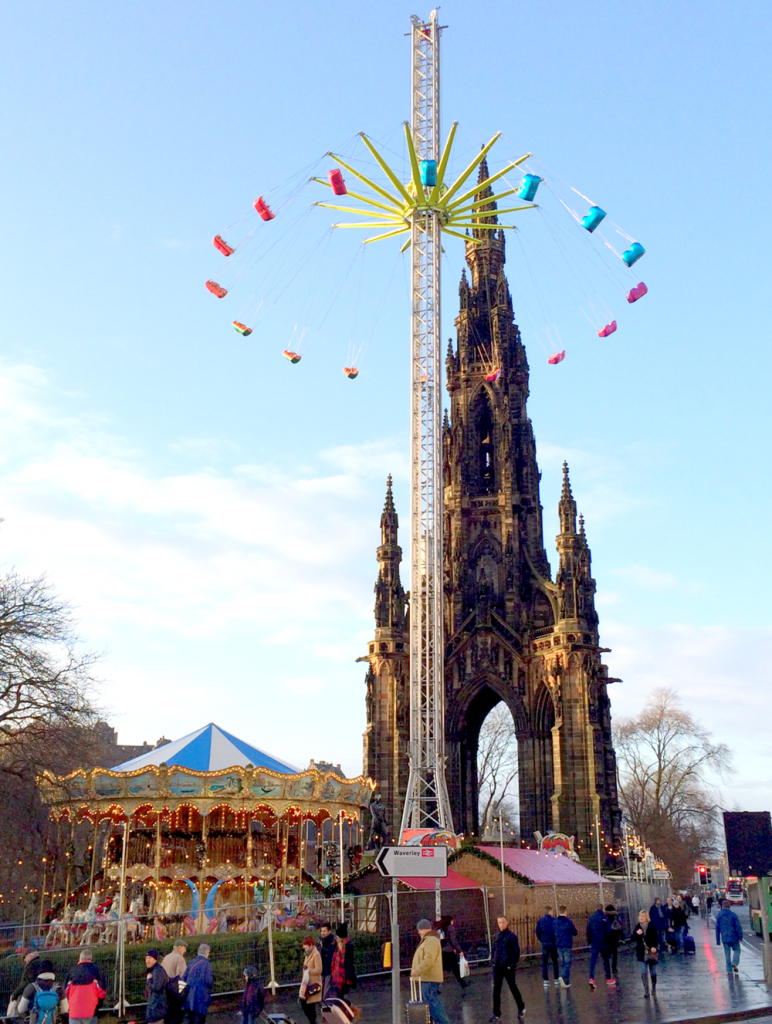
In his 1892 biography of Kemp, notable Scottish Architect Thomas Bonnar wrote “In tracing the career of a self-made man like George Kemp, it will be obvious that an interesting contribution to our general knowledge ought to be the result, combined with the more human interest that attaches itself to the mere portrayal of a patient and arduous life; although the latter, with its strongly marked individuality of character, resolute firmness of purpose, and indomitable perseverance in pursuit of the high object he had ever in view, should act as a stimulative example to all youthful aspirants who desire to gain a high place in whatever profession they may elect to follow”.
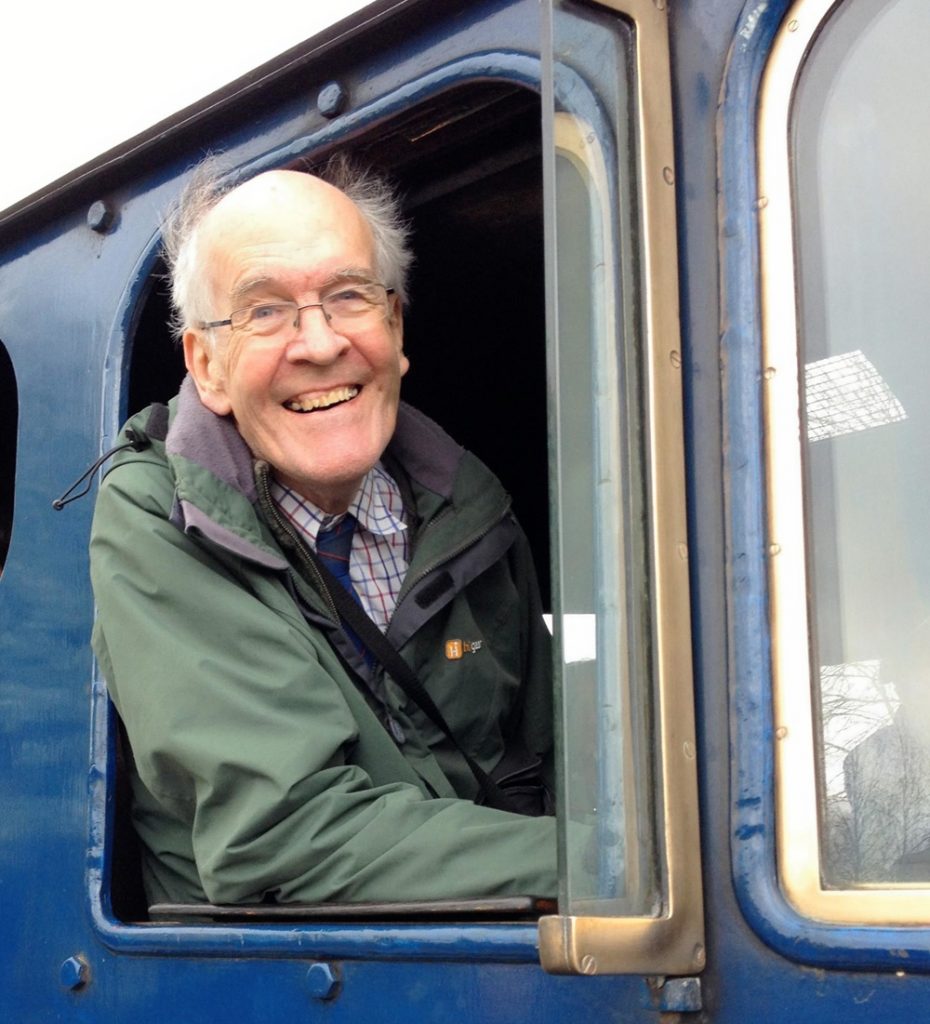
My father, Brian Maxwell Wright, found a path to greatness in his own life. He was lifelong steam enthusiast; driving Duchess of Hamilton the length of Glasgow Central Station in 1945 when he was 10. He was an early volunteer with The Great Western Society at Didcot Railway Centre, and quickly found his way back to the railway when he retired early from his job as a counter-clerk in the local branch of the Midland Bank. In the darkroom I had built in the loft, he printed photographs for his friend’s railway publishing company Wild Swan. When I refitted the spare bedroom to be a computer room, he lept straight into digital creation.
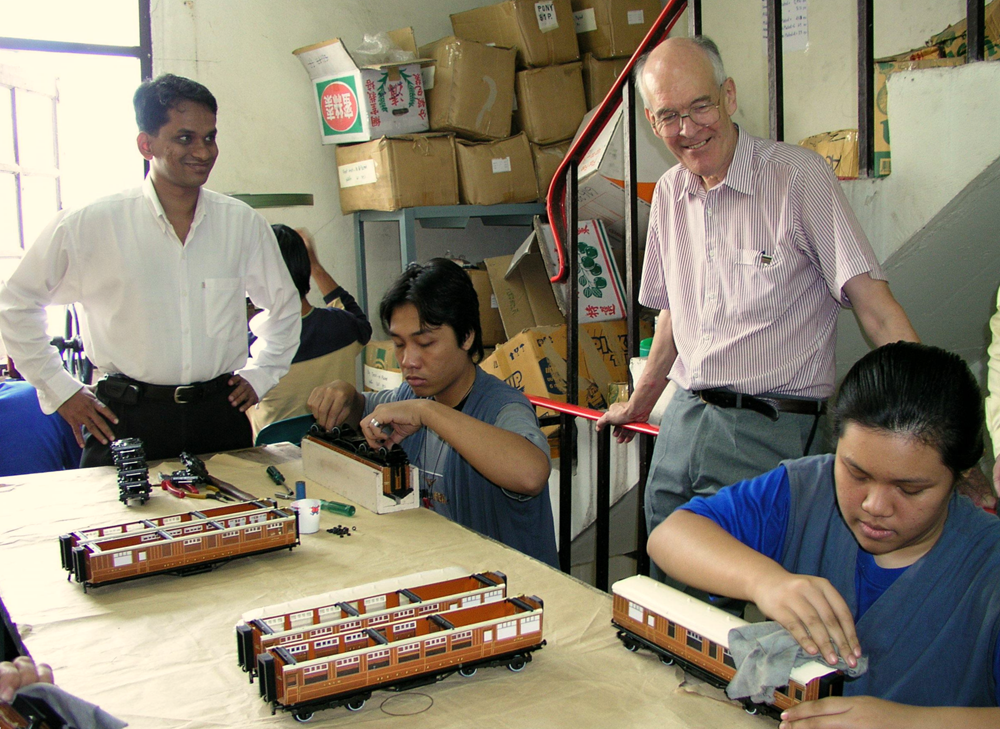
A friend of his, Alan Levy, had started a company Ace Trains, producing O gauge model trains in tin-plate. Dad took a role designing the artwork for every livery imaginable to be printed onto the sides of the model carriages.
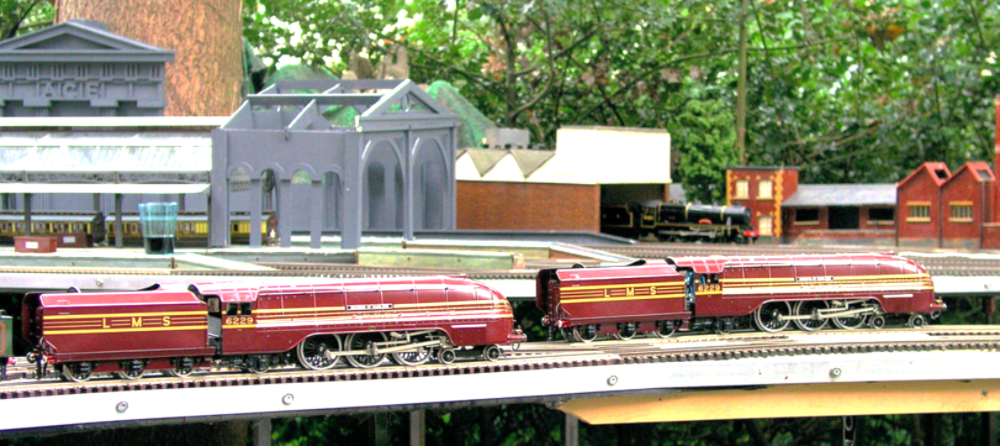
His contract was expanded to include a role designing an incredible series of notable British steam locomotives of the pre-war era, including his magnum opus, Duchess of Hamilton herself.