Growing Up
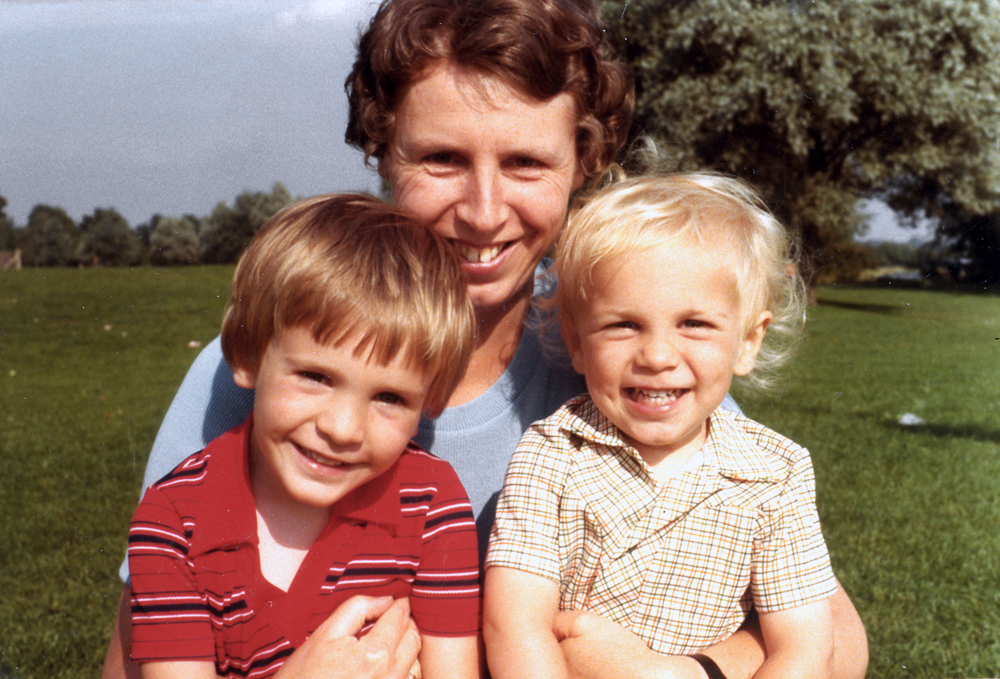
When it came to die-cast metal toys, my brother collected Britains Farm; tractors and model cows. I collected Britains Road; shiny yellow diggers and model men – I was dens in hedges, he had friends. When I was 7, our Grandma moved house to live in Abingdon from near Newbury. A local builder/developer was promoting a new housing scheme; converting a local gravel-pit into a marina on the River Thames. She bought a 3 storey river-front house that was yet to be built.
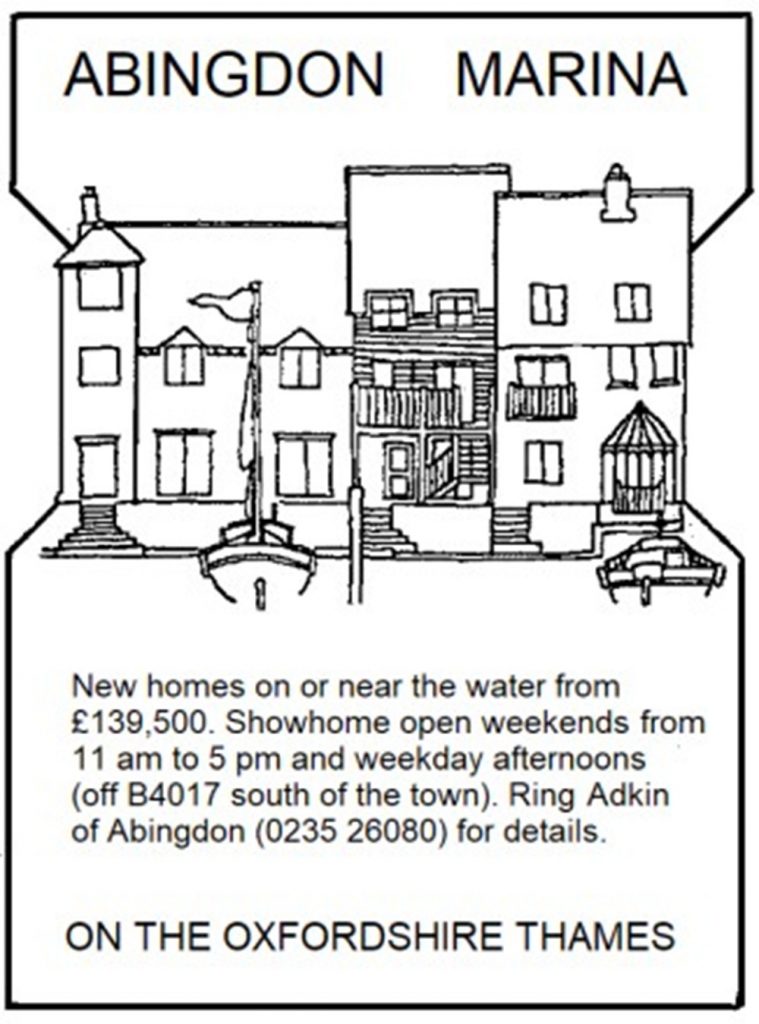
The scheme, built during the Yuppie building boom; extensive mooring pontoons surrounded by waterfront character houses of a great variety and mix, was presented in the form of a large architectural model, which was in a Perspex box at the sales centre. Regularly visiting the site when I was young was a tremendously formative experience. I loved closing one eye and indulging in the perspective of the model, I climbed around scaffolding and collected scraps of lead from the building site. Most things were uninteresting, this was not. The influence of the architecture of Abingdon Marina; pitched roofs and projecting gables in a waterfront-style, can be traced through every building I have now designed.

Although I was provided with junior-level math’s books, and the privilege of free-reading, I turned to mischief when I ran out of work in year 3. I was regularly in the headmaster’s office, and often shut in a resources room, to keep me from disturbing class. I remember being fascinated watching the building of a wooden fort through the windows of the classroom, although I voluntarily transferred schools before it was finished. Secondary School was something of a battle for identity; I had spent most of primary years in self-imposed, or enforced isolation, and I was insulated from popular culture at home – I didn’t much know how to be a social person; clowning got me by. Able, but distracted, I walked out of GCSE Art and Design at the end of Year 10, disagreeing with the teacher. I nevertheless still got an A in Design Technology, but I became lost to those I had known for a while as a friend group.
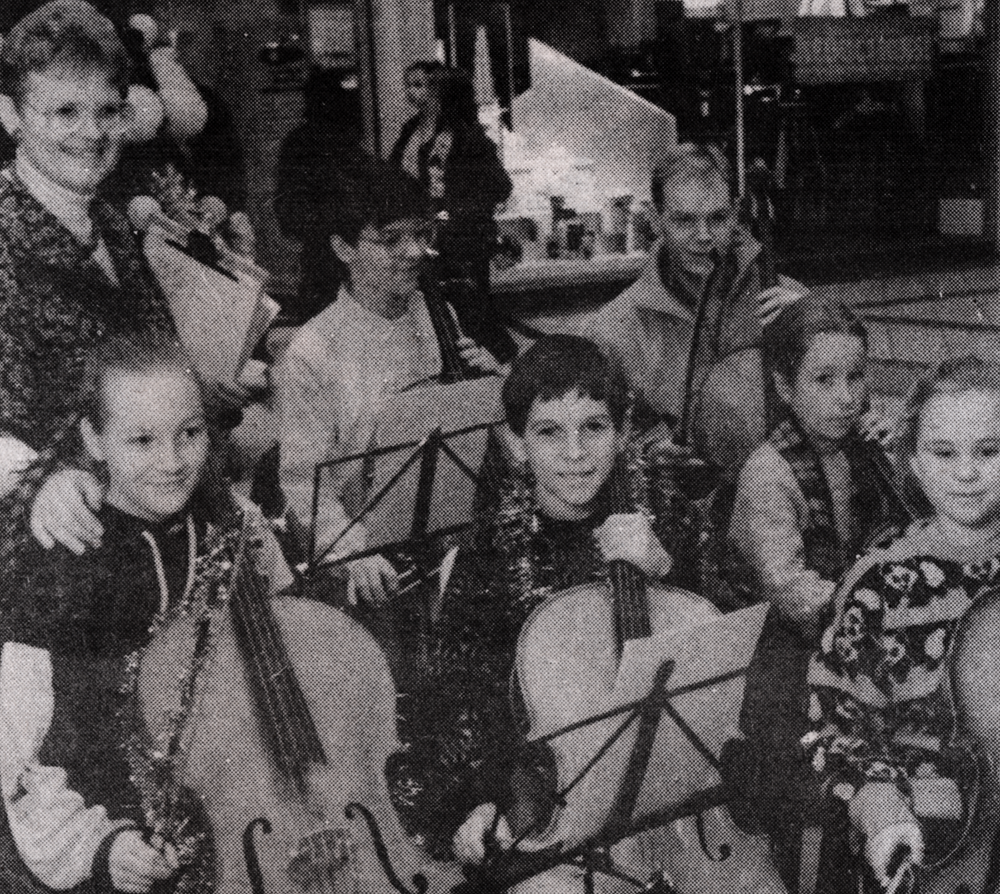
I did have a full musical life aside from my rebellion; ‘Cello Grade 7, Oxford ‘Cello School, Thames Vale Youth and Oxfordshire School’s Symphony Orchestras with overseas tours, and stewarding for Music at Oxford concerts at the Sheldonian Theatre. Despite the relentlessly low-aiming advice of the school, I arranged work experiences at both ITV Central News South TV Studios, when I was with the first-responding journalist when Sqidgygate broke, and at RAF Coningsby in Lincolnshire, where I stayed in our family caravan, clambered in the Lancaster, sat in a Spitfire, flew a Chipmunk, saw an A10 firing its cannon, used plastic explosive, and spent a week maintaining Tornados; changing, and then testing a jet engine – at full afterburner with me sat in the cockpit! I was kept sane in martial arts classes, led by a teacher.

‘Do you want a days money for sweeping up a building site?’ I was asked by my friend James. We were in our early twenties. Yes! I replied. I felt very at home being back on a building site, so rather than sweep for just a day, I joined the independent team of suspended ceiling fixers for 2 years. We worked through a local contractor to deliver commercial contracts around Oxford, including the Peter Medawar Building for The University of Oxford, and a refurbishment of Reading Maternity Unit. I am a skilled person and excelled in the trade. I worked my way up, and was running a job on my own with a new company van, when an unseen lamppost saw an end both to the van, and my nascent career. I carried on building; odd jobs in house repair and improvement, and network cabling with my friend Justin’s computing business.
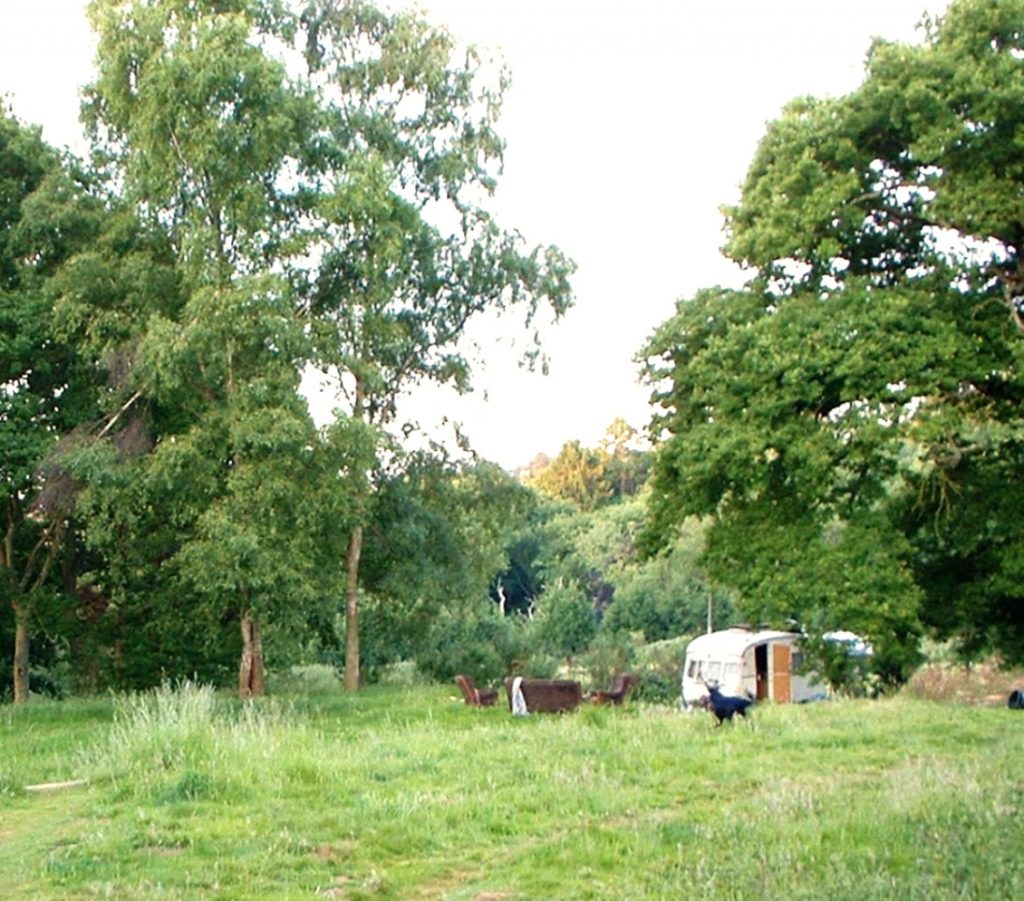
Where I had chosen an individualist path, and had left BSc Environmental Science at Lancaster Universtity early, my brother was graduated, and wooing for a wife back at home; this left sparse room for me. Better, I considered, than my friend’s sofa, was the offer of a bedroom on a redevelopment site with a gang of ‘blighters’ loosely invited to advance the prospects of an ongoing planning application. Because the security of our home depended on the progress of associated planning applications, I took an interest. I studied the paperwork, and promoted myself as resident’s representative; I greeted the professionals when they came on-site, and negotiated licences to remain in response to one more in a sequence of threats and evictions.
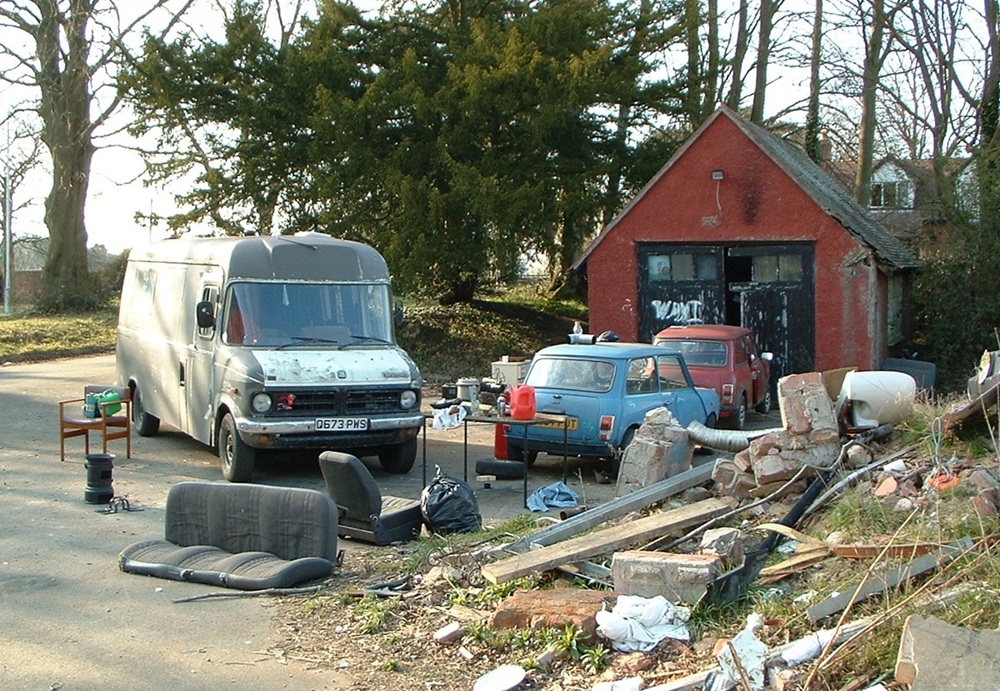
An ex-RAF Bedford Ambulance had broken-down at the site, and was immovable. Like the sword in the stone, whoever could fix it, could keep it. Men stood forward, and failed. My turn came, and Haynes Manual in hand, I reversed the timing sprocket, and started the van. I cleaned out and drained a flood from an abandoned garage, and set myself up with a workshop which I used to insulate and fit the van out from scratch. It would be my home for the next 8 years, and confirm to me that homemaking is one of my core natural abilities.
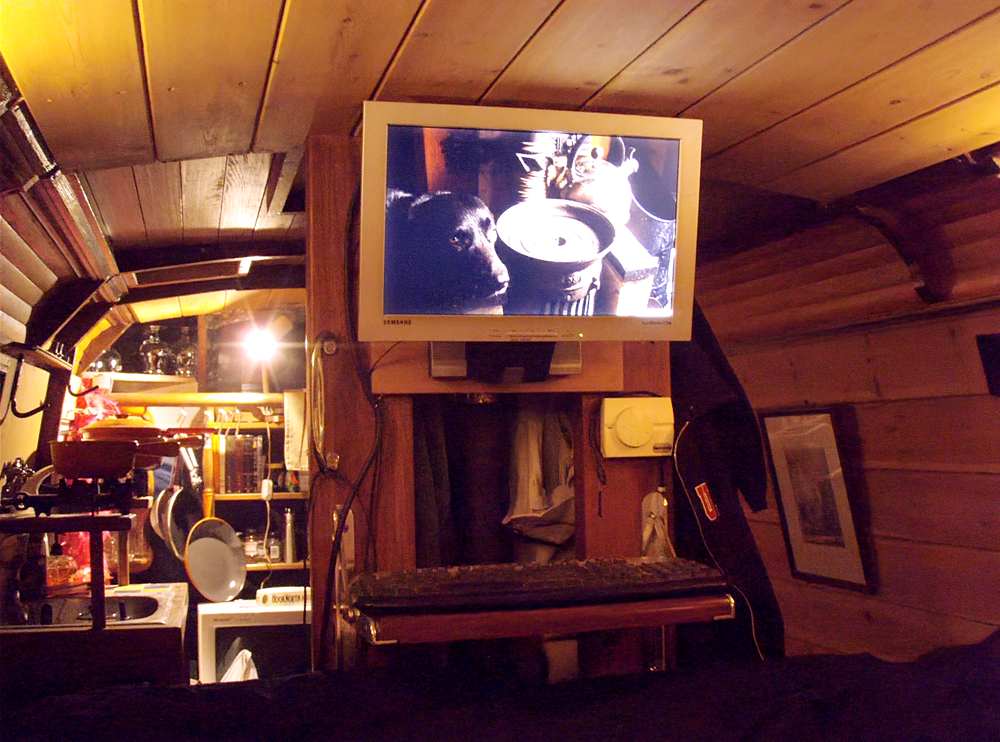
I hatched a plan with my girlfriend; we would build a home together; my architecture, her garden. We were trying to garden the bucolic glade we had secreted ourself to, but alas, The Rabbits… A simple plan then; if I wanted to build my own house, I would learn to design houses, and by the time I knew what I was doing, I would also have the money for building. I felt personally qualified; I had grown up clambering scaffolding, worked as a builder, operated as a kind of planning liaison agent, a homemaker, and I’m from an architectural family. It was natural that I should visit my local architecture school.

I tramped up the many flights of stairs to the lofty heights of The Oxford School of Architecture, straight from our waterless site like some sort of Stig of the Dump. I was not entirely surprised to be met down the end of a senior fellow’s nose, and somewhat over his glasses. We stood briefly in the extraordinary 1970’s dayglow-orange fibreglass reception vestibule, and looked over the undergraduate architecture syllabus. The course was rooted in subjects such as art history and abstract conceptualisation. My concern for cost management and the planning process led to the haughtily delivered pronouncement; that I should “Go downstairs if cared about those sorts of things!”. He meant that I should go and study Construction Management, which was situated beneath the Planners, who were themselves situated beneath the Architects. I took it rather personally and put the idea on the back-burner.
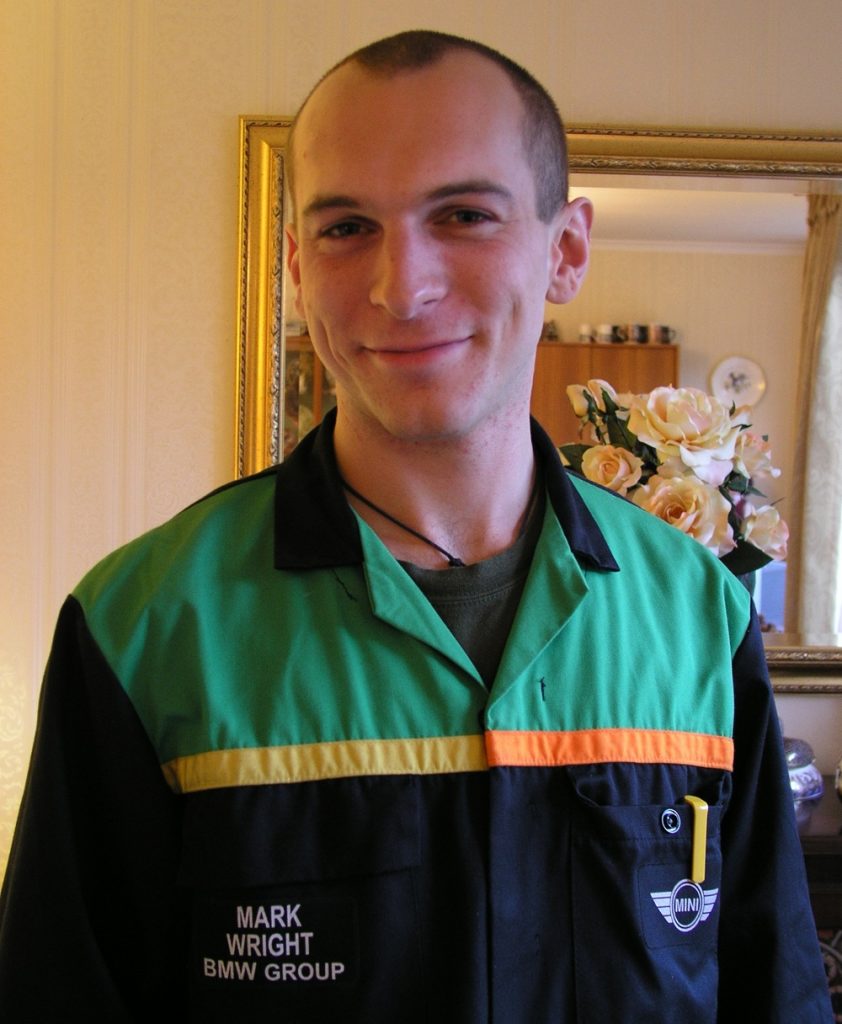
To support myself with my now fiancée, and earn money to fit out the van, I took a job in the newly christened BMW Mini Plant Oxford. I got to drive the cars on a rolling road for part of the time, the remainder was spent in the pit, aligning the wheels of the new cars. In the bowels of the factory, under the cars, I reached zen-like states of focus, automating my body movements almost to a dance. I was one of the very highest performing technicians in the factory, completing 16 or 17 cars an hour, in comparison with the expected 12. Task-focus was something I had previously struggled with, but would soon become my everything in the immersive fixation of architectural practice. After a year at the factory, the voices of the older factory workers gave me concern for my future; “I’ve been in this corner making bonnets for 40 years“. Something had to change; I was now 28, and I had no wish to be lost indefinitely to an industrial process.
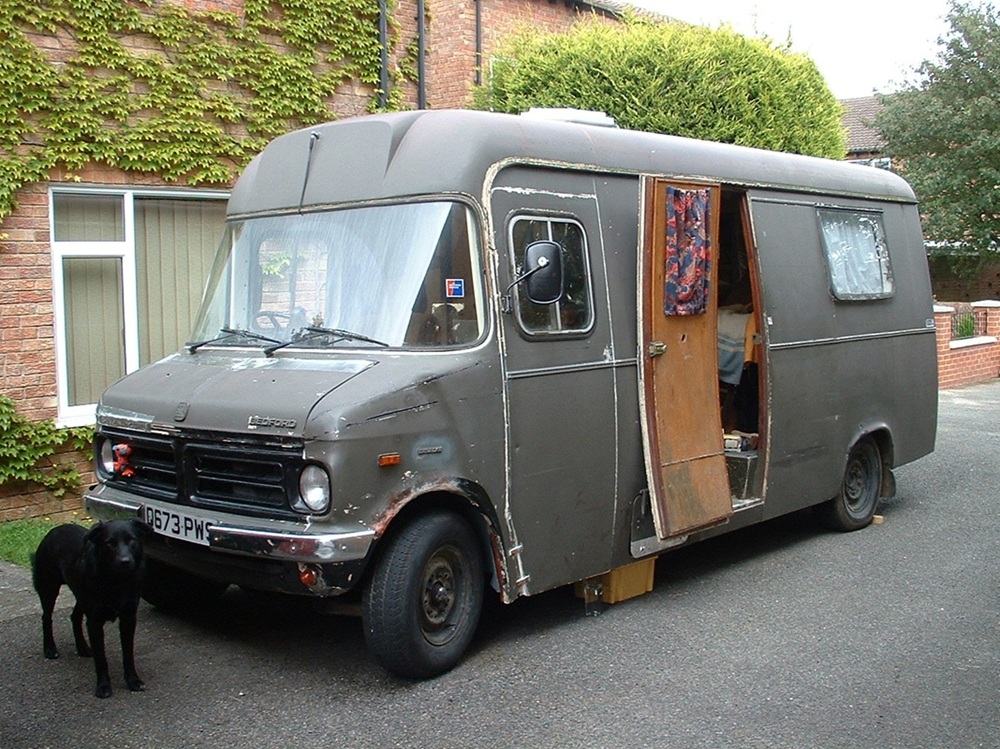
When our site finally came to be redeveloped, single, I returned to my childhood home. Finding myself directionless, I did eventually go downstairs and enrolled at Oxford Brookes University; I wanted to design buildings, and I had developed the intention of becoming not only equivalent to an architect, but also better; by embracing technical design, new technologies, and construction management issues, for more successful projects. I enrolled on the BSc Building course in 2005. My dog Spunkey came with me to lectures, and we lived together in my van, parked on my parents’ driveway.